Monday in a Picture – Uyatsandza kugijima

Happy Halloween! 

Prior to joining the Peace Corps, I would have considered myself a fairly active person. I maneuvered the streets of DC on bike. Twice a week, I would join the greatest November Project tribe in the world for an early morning (running-oriented) workout. Although I ran with those wonderful folks, I never really considered myself a runner. A cyclist? Sure. But a runner? Not I. 

There is major opportunity here to be sedentary, which is tempting with many movies and television shows on my hard drive that I haven’t seen yet. There have been glimmers of hope as I have seen others riding bikes in my community. The thing is that I currently don’t have a bike. While I’m hoping that this changes soon, I have a desire and the energy to be active now.

Enter community runs. I’m not particularly fast or good at it, but I try to go out at least once a week for a run. I’ve found that this does a few things. First, it gets out all of that built up energy. Strangely, the more that I run, the more that want to run. Second, it allows me to explore new parts of my community and make maps of it (with my GPS watch). It helps that the watch tells me to move and posts my efforts to Strava. Lastly, it gives me the opportunity to meet and see various community members while they meet and see me. Some people have even commented when they see me, “Uyatsandza kugijima!“, or “you like to run!” I smile and laugh. I don’t know if I would classify running as something that I like, but I don’t hate anymore. I’ve even thought about signing up for one of those races. A 10K or half marathon, maybe? Because why not? 

Be kind to yourself. 
Onward. 

P.S. – I just want to say #GoBlue and #HowBoutThemCowboys! It was a sweet rivalry weekend.

Monday in a Picture – Fat cakes

So, I’ve mentioned these before. A fat cake is a fried ball of sugary dough. While it definitely isn’t the standard of nutritious meals, it is delicious. 

Within a month of arriving in Swaziland, I was introduced to fat cakes. Bomake (pronounced boe-mah-gay), or women sell them at the markets, schools, and road side stands. After having several magnificent fat cake experiences and seeing the recipe in our Peace Corps cookbook, I decided that I would try to make them myself. 

Here’s the recipe, as written in the cook book:

  • 1 1/4 cup flour
  • 2 tablespoons sugar
  • 1 teaspoon baking powder
  • 1 teaspoon ground cardamom
  • 1 egg
  • 1/4 cup milk
  • Oil for frying
  1. Mix dry ingredients. 
  2. Stir in egg and milk. 
  3. For lumpy mafeti (pronounced mah-fay-tee), or fat cakes, drop by spoonfuls into hot oil. 
  4. For better looks, roll out to about 3/4 inch thickness on a well floured surface and cut into triangles before frying. 
  5. For a chewier texture, knead dough with extra flour for about five minutes and let rest for half an hour before rolling out.

I should probably say that I took a few culinary, creative liberties. Of note, I did not use measuring cups. While mixing, I just added more wet or dry ingredient until the mixture was a consistency between that of pancake batter and bread dough. I also did not have cardamom. It wasn’t in my budget, and it’s not that serious. Instead, I added a generous amount of imitation vanilla extract. When the dough was ready, I heated up my makeshift deep fryer (a pot filled with cooking oil). I scooped out a oversized spoonful, and dipped the spoon in the oil. The deep fried goodness was almost ready for enjoyment. After I removed the cooked fat cakes from the hot oil, I let them rest and cool for a minute or two. The last step is perhaps the most important. I poured some powdered sugar (known as icing sugar here in Swaziland) in a plastic bag, and added the freshly fried (still warm) fat cakes. A vigorous shake ensures that the fat cakes are nicely covered. They are now ready to enjoy! Try out the recipe, and let me know how it goes. 

Be kind to yourself. 
Onward. 

​Monday in a Picture – The Head

When a cow, or inkhomo (pronounced inn-co-moe), is slaughtered, there is a lot of meat. The meaty goodness is a carnivore’s dream. After everyone has had some meat, rice or porridge, and cabbage, bobabe (pronounced bo-bah-bay), or men, gather around dishes filled with more meat.

This past weekend when this happened, one of the men invited me to join them as they prepared to eat from the meat filled dishes. On these dishes was something of a Swazi delicacy. It was the cow’s head. The picture above is only half of the cow head meat. 

I had heard stories about the sacredness of the  cow head, how delicious it was, and how women are discouraged from consuming it. According to some beliefs, fertility problems might come to women who eat the cow’s head. I’ve also been told that eating cow head meat increases intelligence and virility in men. 

I sat down with the men and we started to eat. There were no plates, no cutlery, and no napkins. There was a beautiful sense of community as we ate or half of the cow’s head. It I couldn’t tell you if I ate the cheek, tongue, neck, or other part of the cow head. I can guess that most of the meat was grilled, while some was boiled. What I can tell you (with certainty) is that whatever I ate, it was delicious. It was juicy and full of flavor. The cow head is probably the most flavorful and tender meat I’ve tasted since arriving in Swaziland. It did have a slight garlicky aftertaste, but it was nothing compared to the deliciousness. 

Be kind to yourself. 
Onward. 

​Monday in a Picture – My Closet

Peace Corps volunteers are notorious for not having lots of money. When we all moved to our permanent sites a month and a half ago, we were given money to settle into to our new homes and make them more homey. Because the settling-in allowance is rather modest, creativity and imagination become as important as money. 

I live in a spacious octagonal roundavel (I’ve named it, “The Palace”). I moved into a blank canvas, and had to figure out how to add my own flair. I mapped out how I wanted to use various areas, and went to work. When shopping for home furnishings, I took note of prices for various things on my shopping list. I noticed that basic wardrobes (metal poles fitted together with a zippered cloth covering) were priced around 200 emalangeni. I decided against buying it then and there. 

On one of my walks to get familiar with my community, I saw a rather sturdy looking tree branch laying on the ground. I had an idea. What if I could make a hanging wardrobe? I picked up the tree branch, and brought it home. I shaved the bark of the branch to have a relatively smooth piece of wood. Then, I threw rope over the rafters, and tied many knots to make sure it was sturdy enough to support the weight of my clothing. Before placing the branch in the rope loops, I sprayed it with bug spray to kill any bugs that may have still been present. I hung the branch in the rope loops, and secured it with even more knots. The entire process took about 90 minutes, and was a great entry level project in home improvement. 

Be kind to yourself. 

Onward. 

Monday in a Picture – Sibhimbi

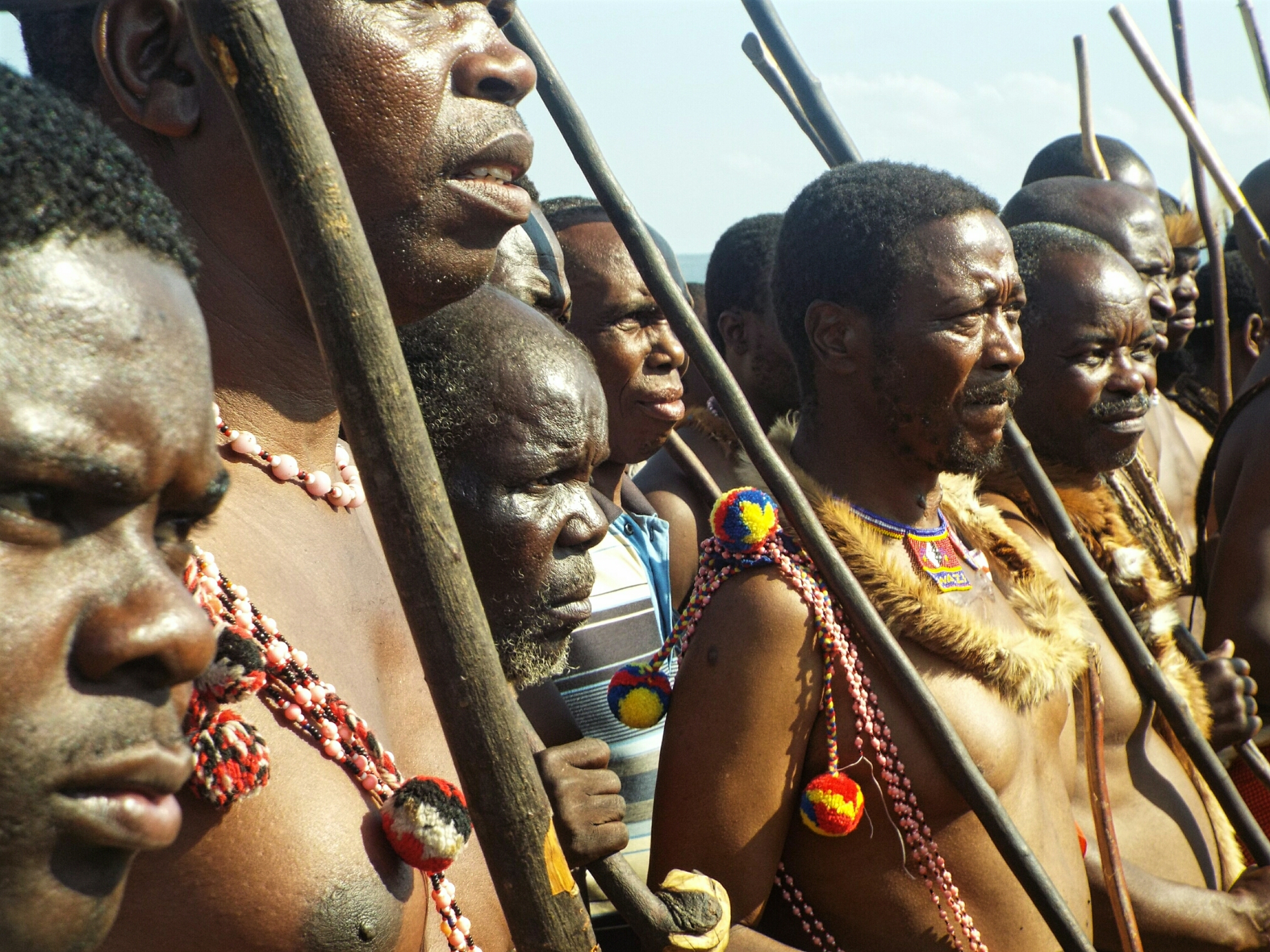
Recently, I was fortunate to attend an event in my community known as Sibhimbi (pronounced see-bim-bee). This is the installation ceremony of a new chief. It’s a really big deal. Most of the people in my chiefdom (community) were there, and people even came from far away for the all day event. The king sends a representative from the royal family. It’s huge.

The week leading up to the Sibhimbi, I noticed that infrastructure was being arranged for something big. Large trucks worked to ensure that the gravel roads were level. School children took time away from school to remove trash from the side of the road. I was urged by community elders to make sure I was present at this event. One of the teachers at the high school explained all of the fanfare surrounding this event. He told me that these events rarely happen. He shared that he had never been to one in his life. He’s almost 40 years old!

He explained that once a chief dies, the position of chief typically passes to the eldest son. While the new chief may govern the chiefdom (unofficially) for years, it isn’t until the Sibhimbi that the new chief becomes official. Because there are so many people and resources involved, it can take years to organize. It is at this event that the new chief gets his late father’s shield, among other items. The Sibhimbi involves much singing, dancing and eating. For this occasion, at least 18 cows were slaughtered. This is in addition to all of chickens.

In the picture above, several men from my community sing and dance in full traditional dress to celebrate the installation of the new chief.

Be kind to yourself. 

Onward. 

Photo Post: August 2016 (NSFW)

Warning: this post does contain one picture with nudity (bare breasts)

The cow chilling with the calf. Life in Nkamandzi is pretty good. 

Some extended family came over for the weekend. My bobhuti made swings for everyone to play on. 

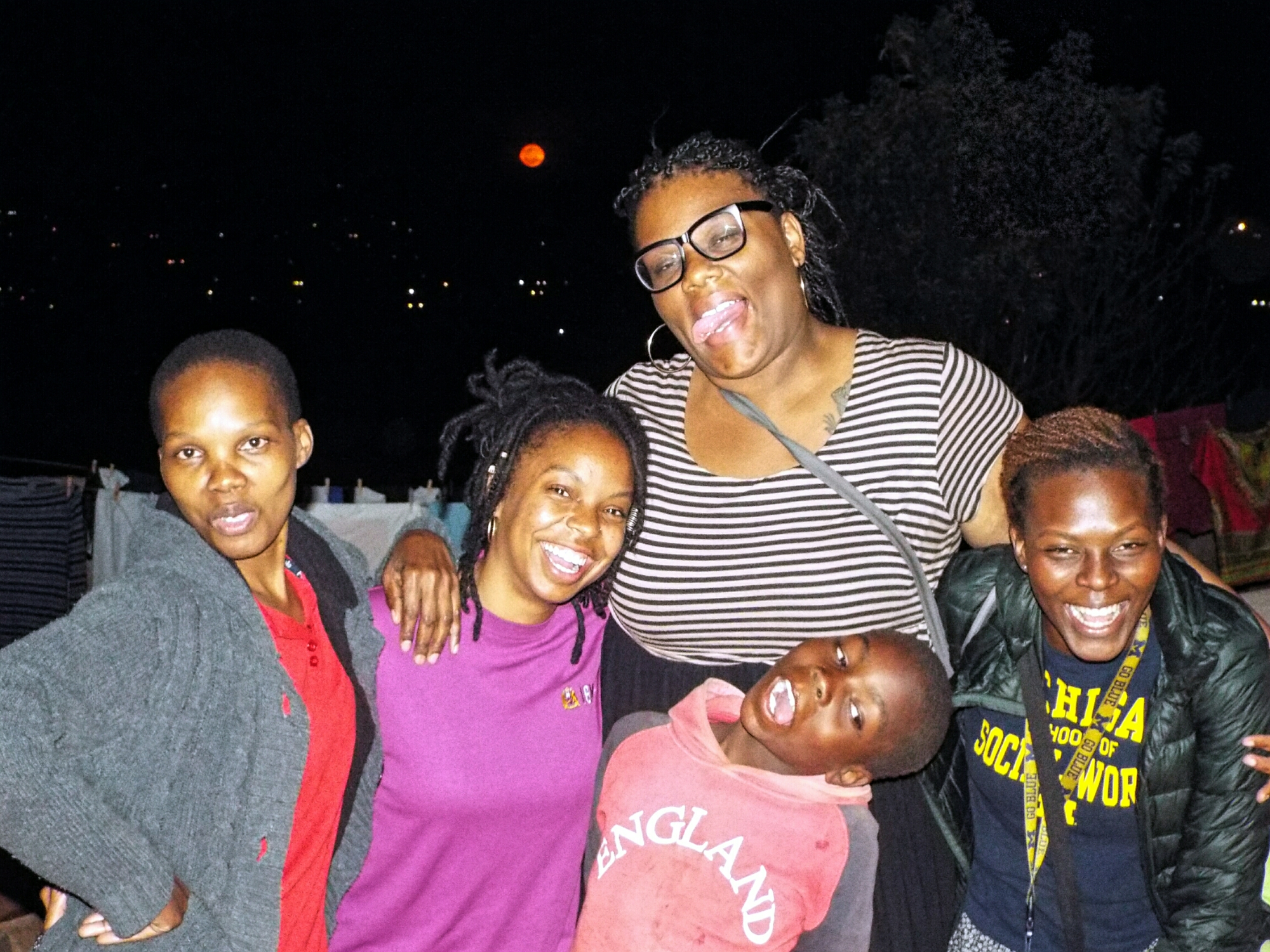
After dinner, I wanted to capture the moment and the moon. Mostly, the moon. 

For host family appreciation day, some trainees donned traditional Swazi dress (lihiya and sidvasha). 

I haven’t encountered many training managers. But after being under the tutelage of Yemi, I can confidently say that she’s the best. 

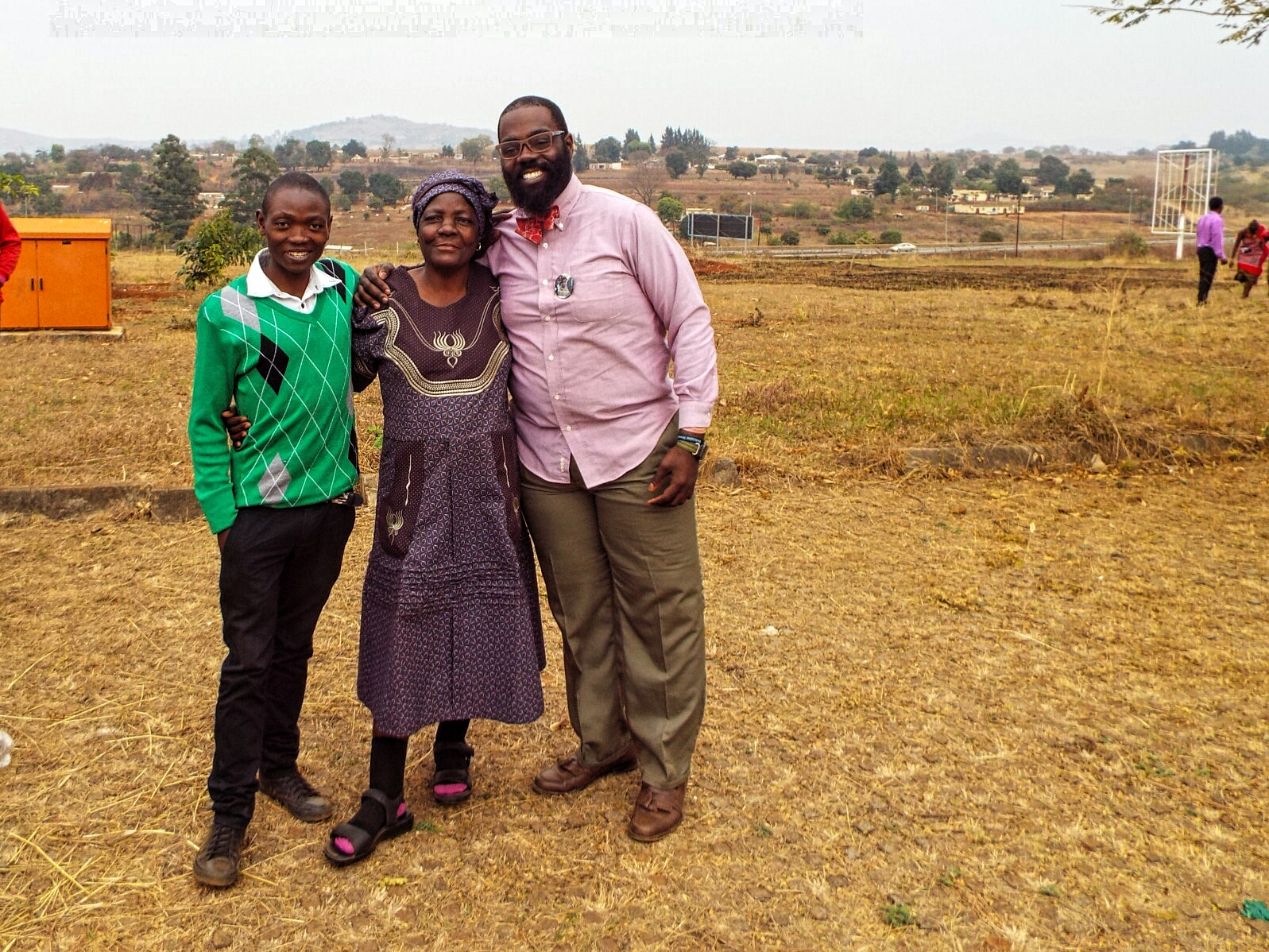
My sikhoni, mzala (cousin), and me on host family appreciation day. Photo credit: Timmya D. 

Bhuti wami, make wami na mine. (My brother, my mother, and me). Host family appreciation day. Photo credit: Timmya D. 

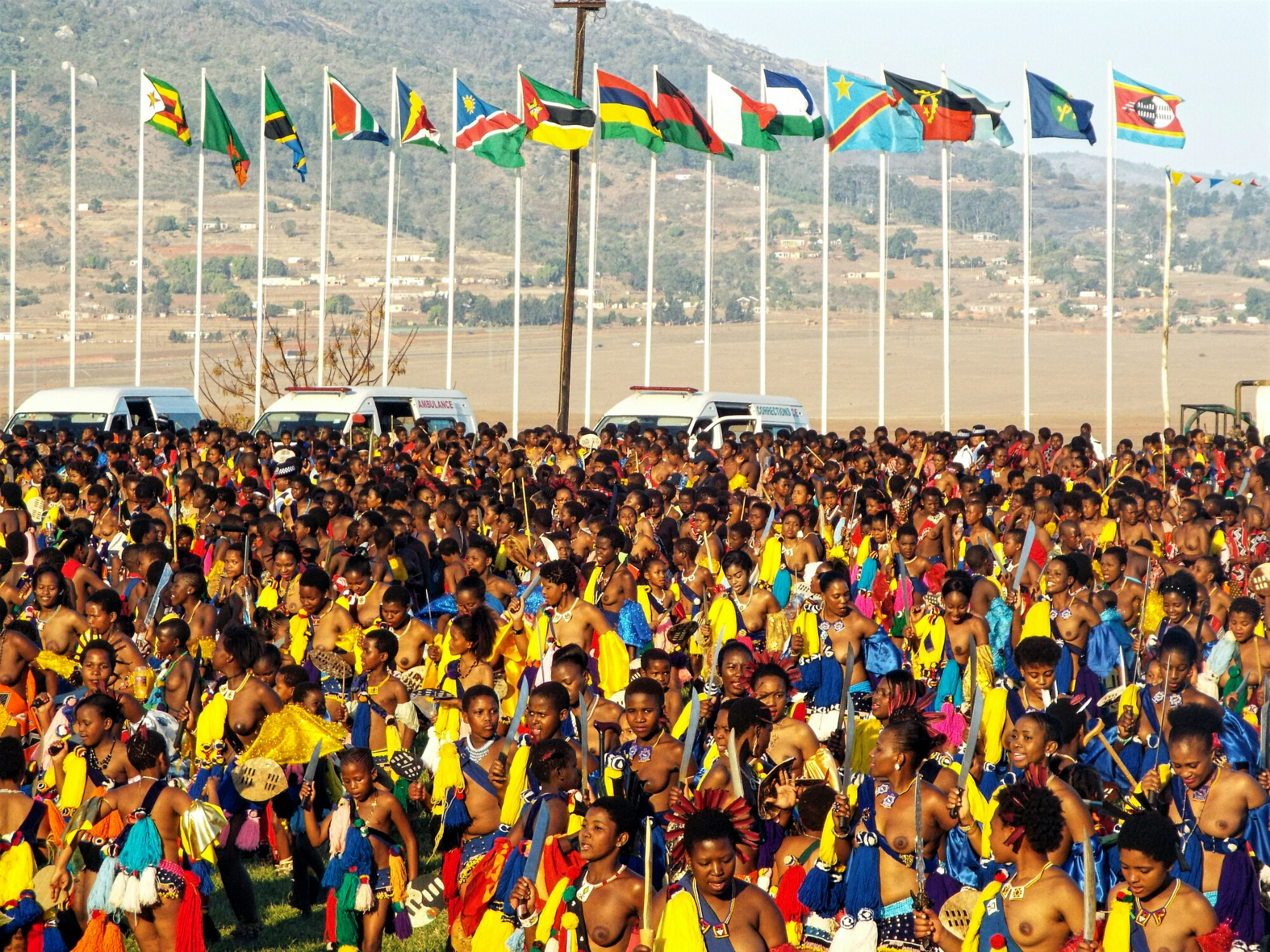
One of the biggest traditions in the world, Umhlanga, celebrates the purity and chastity of young maidens. Also, called the Reed Dance, about 98000 young ladies and girls. 

When his majesty, King Mswati III arrives, he arrives! He attended Umhlanga also with dignitaries from Malawi, Mozambique, Angola, Tanzania and, Lesotho to name a few. 

Extended family comes to town. Of course, pictures are in order. 

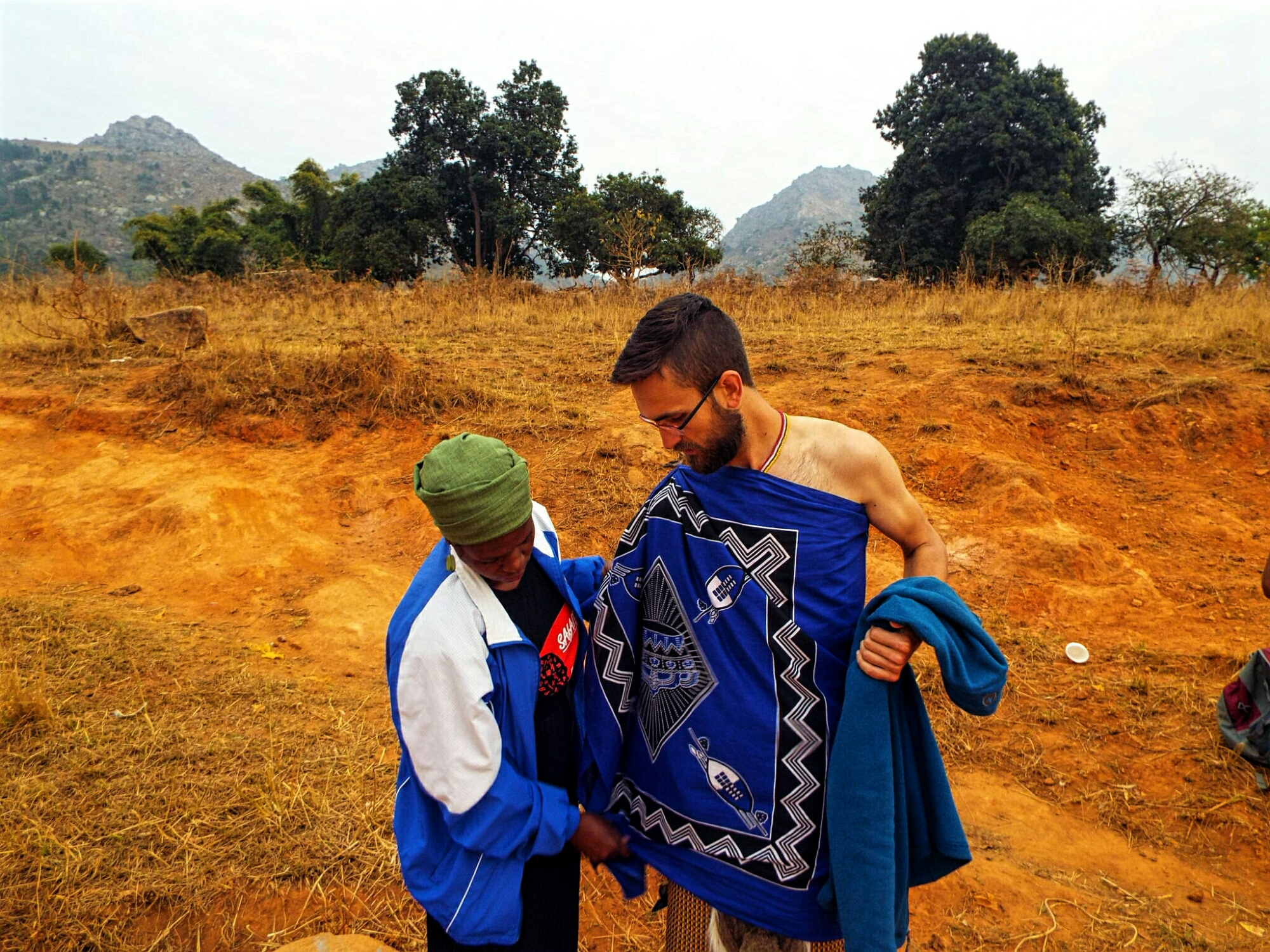
Before the host family appreciation day festivities, Nate gets his lihiya (traditional Swazi top dress) on properly with the assistance of a host make. 

As we prepared to leave Nkamandzi, another volunteer’s family had some of us over for dinner. Here, Nathalie (left) cooks rice on the open fire with Akirah’s make. 

Be kind to yourself. 
Onward. 

Swearing In: a special picture post

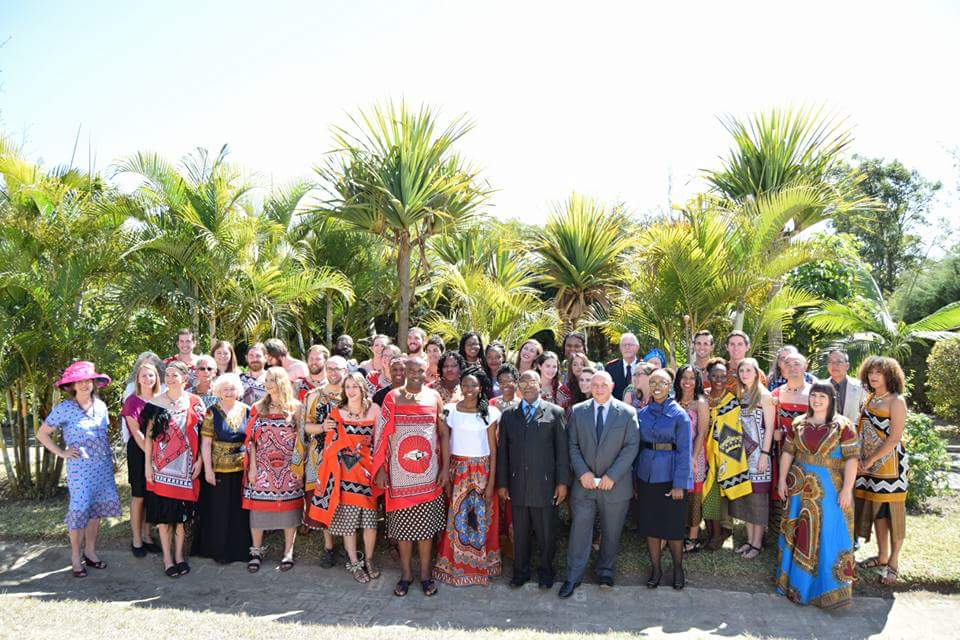
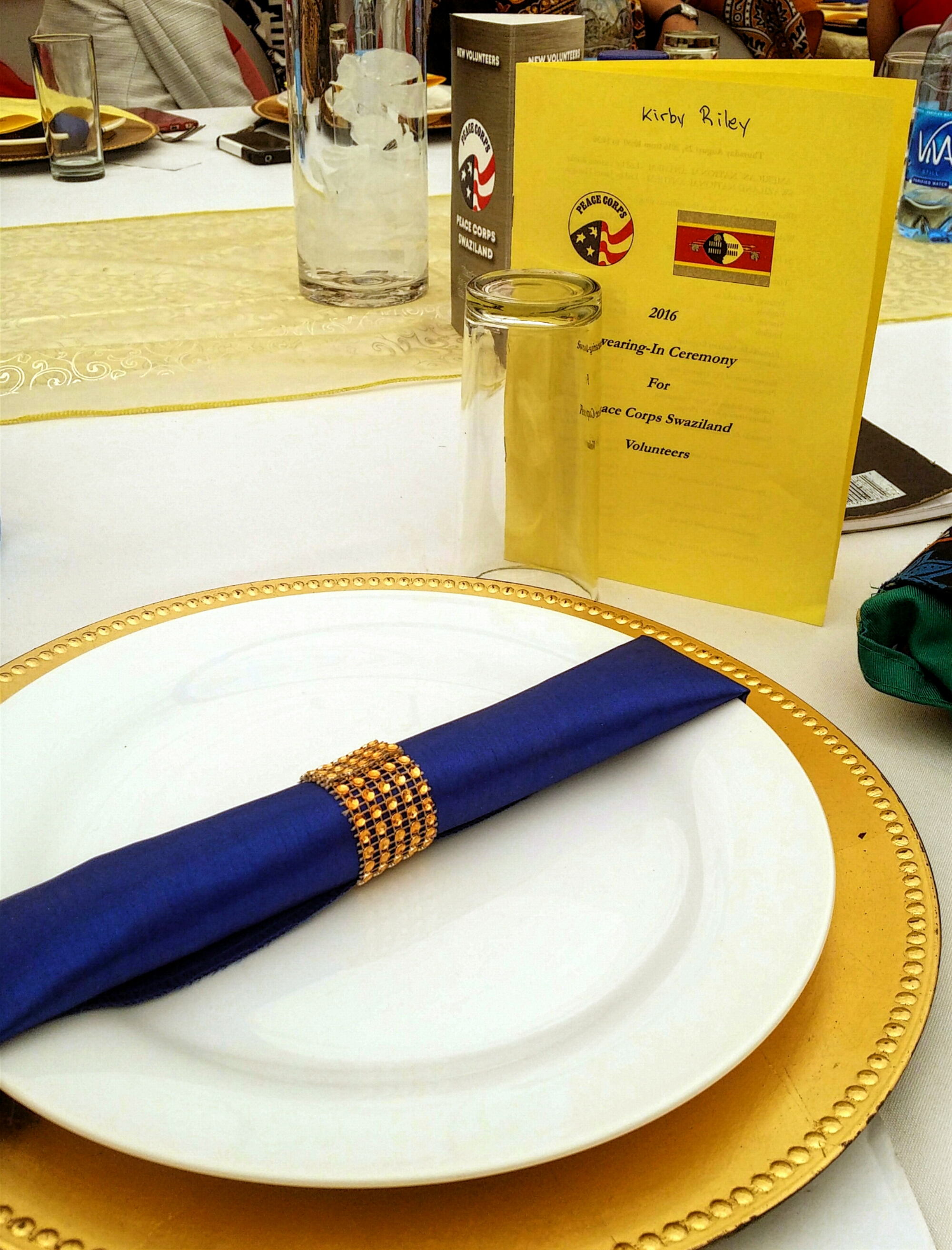
On Thursday, my group (G14) along with six Peace Corps Response volunteers took an official oath of service in front of several other currently serving volunteers, dignitaries, community members. Here are some pictures from the event. 

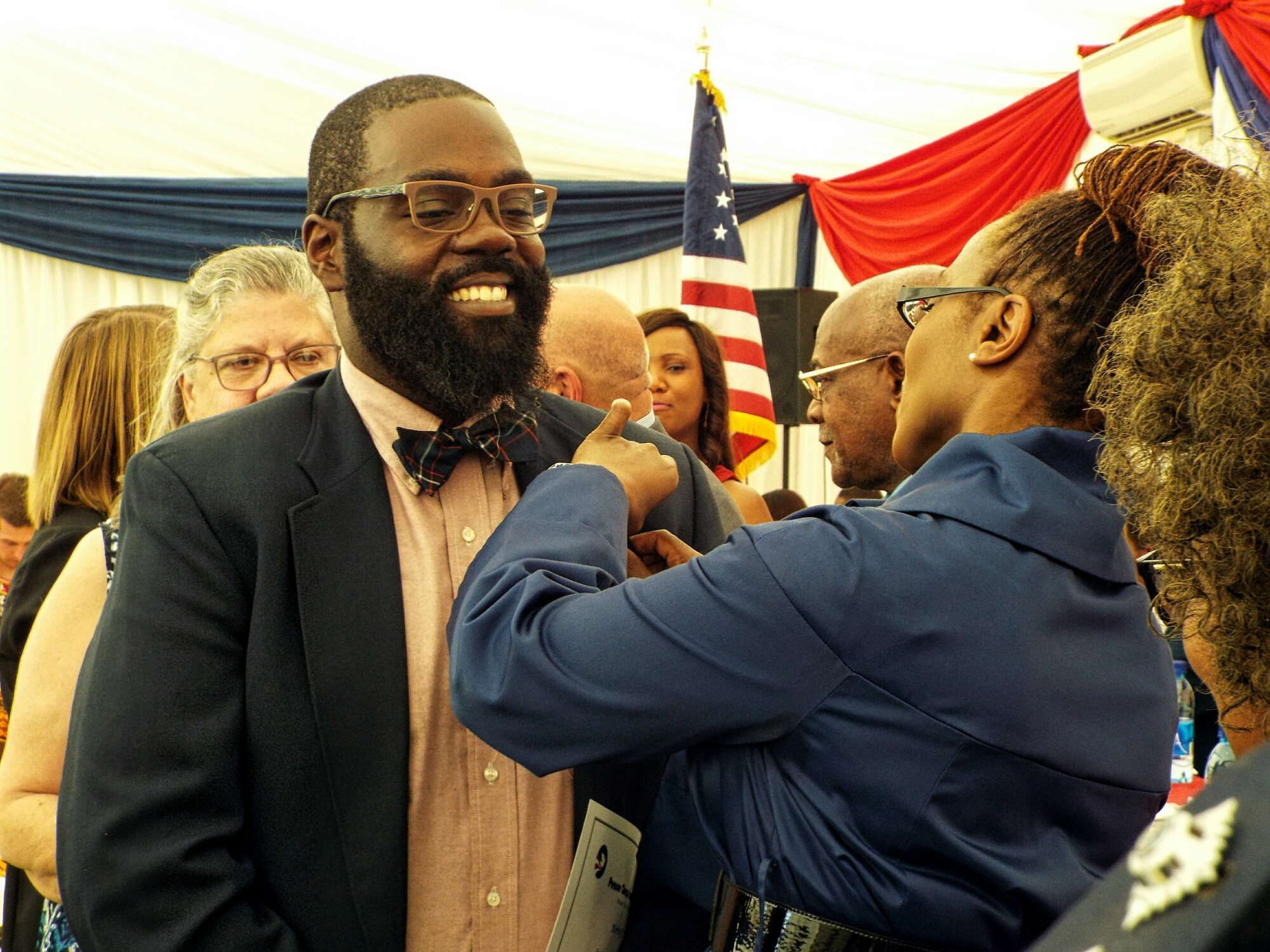
Our country director pinned each of us. It’s a cool pin that has Peace Corps’ logo with the flags the US and Swaziland. Photo credit: Aaron W. 

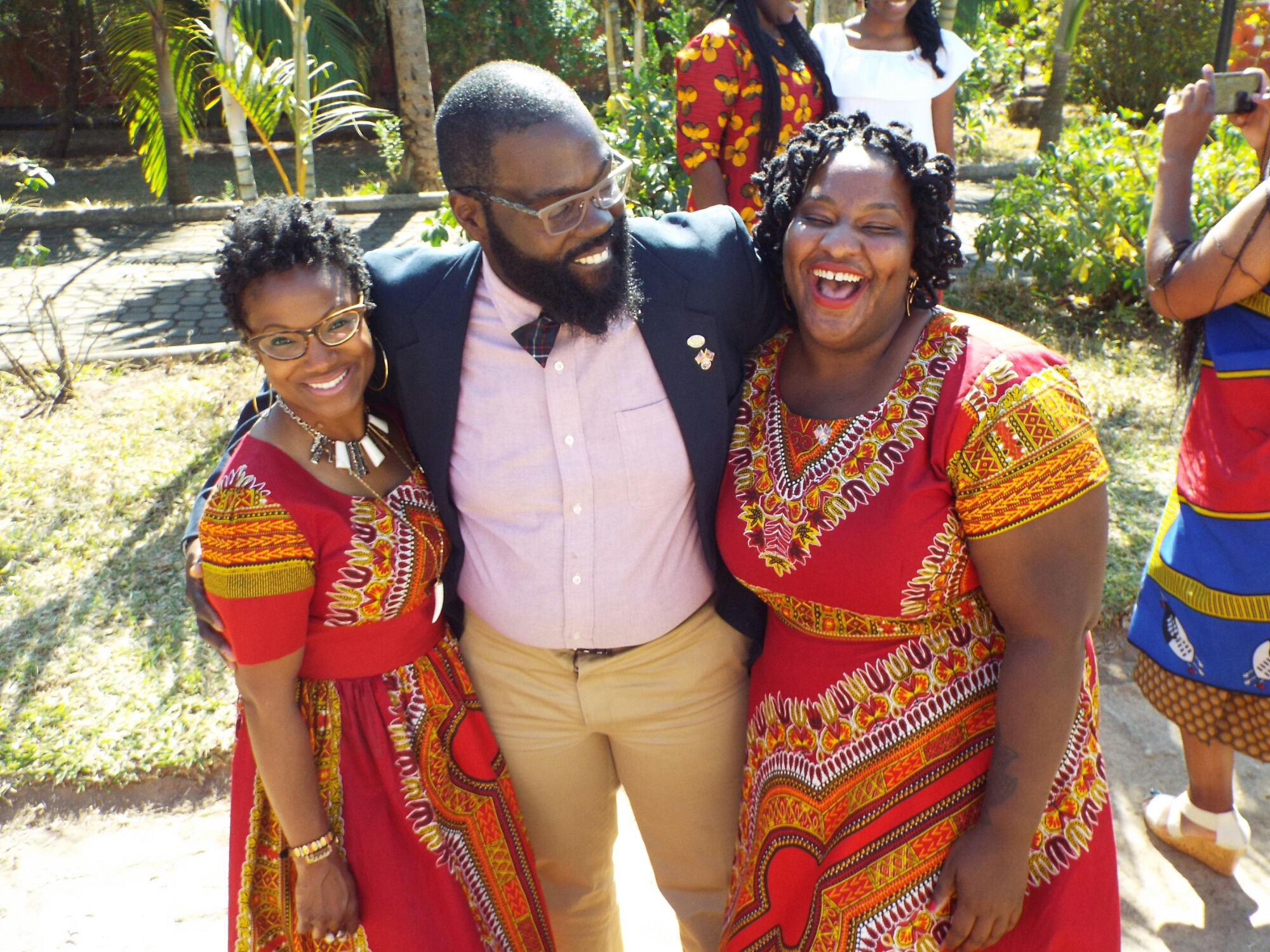
Black excellence in action. Period. 
Group 14 of Peace Corps Swaziland and the Global Health Service Partnership (PC Response), along with the country director, deputy chief of missions, Ministers of education and economic development. 
My teacher is the best in the business. Timmya challenged me to make sure I learned siSwati. I’m going to miss being in her class. I will get to sleep a bit more. So there’s that. 

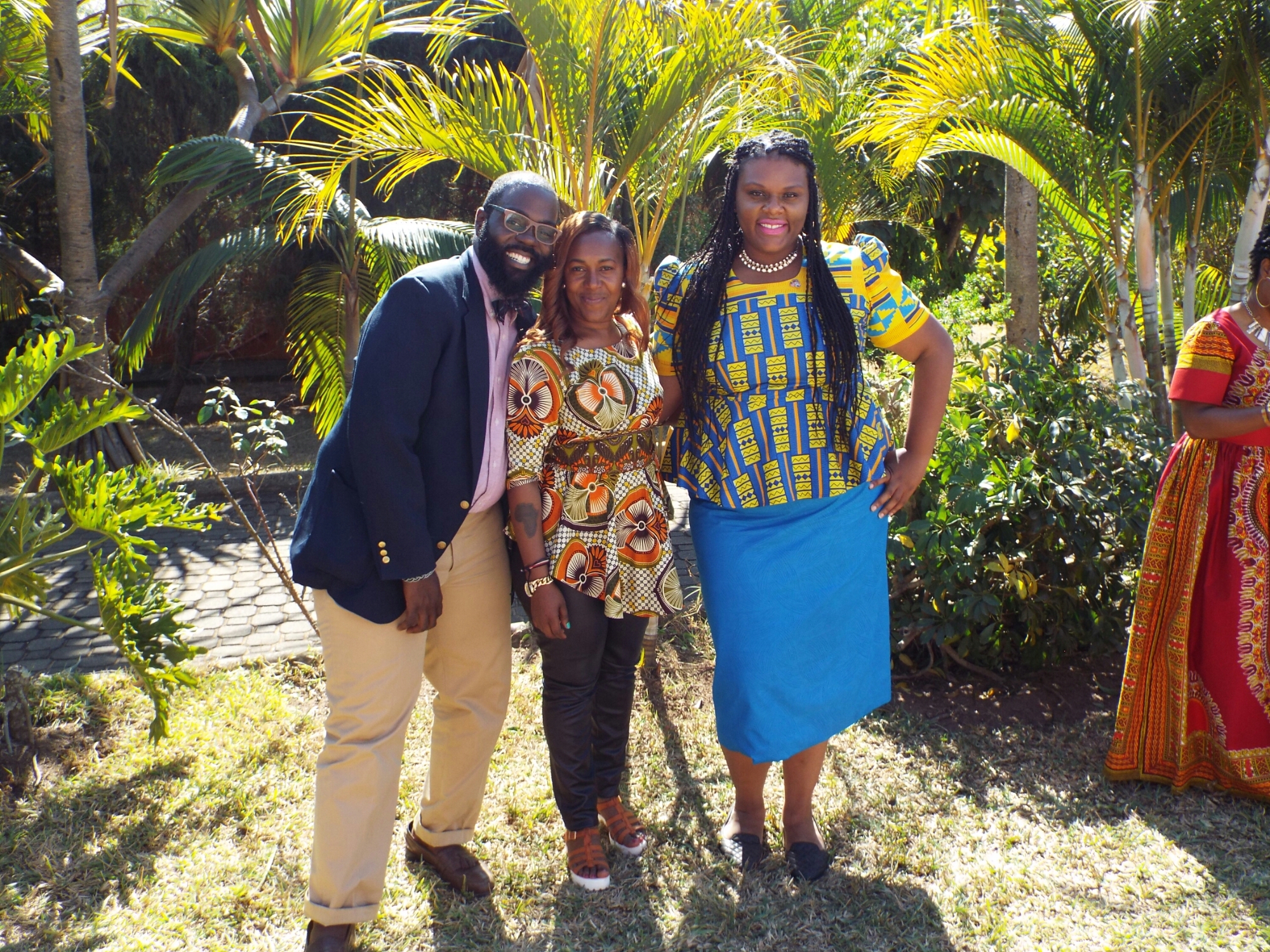
These ladies provided great support. I’m looking forward to the next two years. 

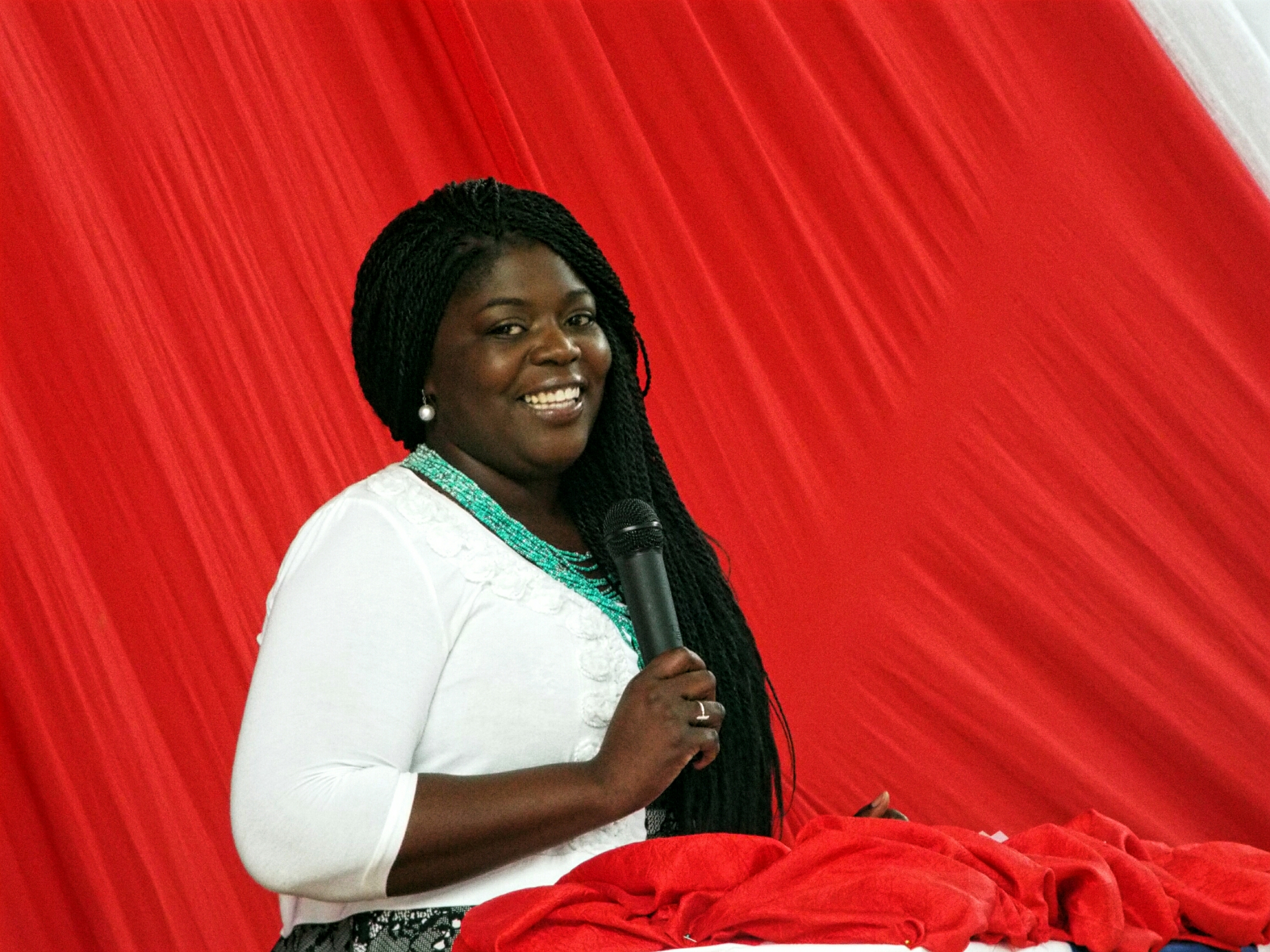
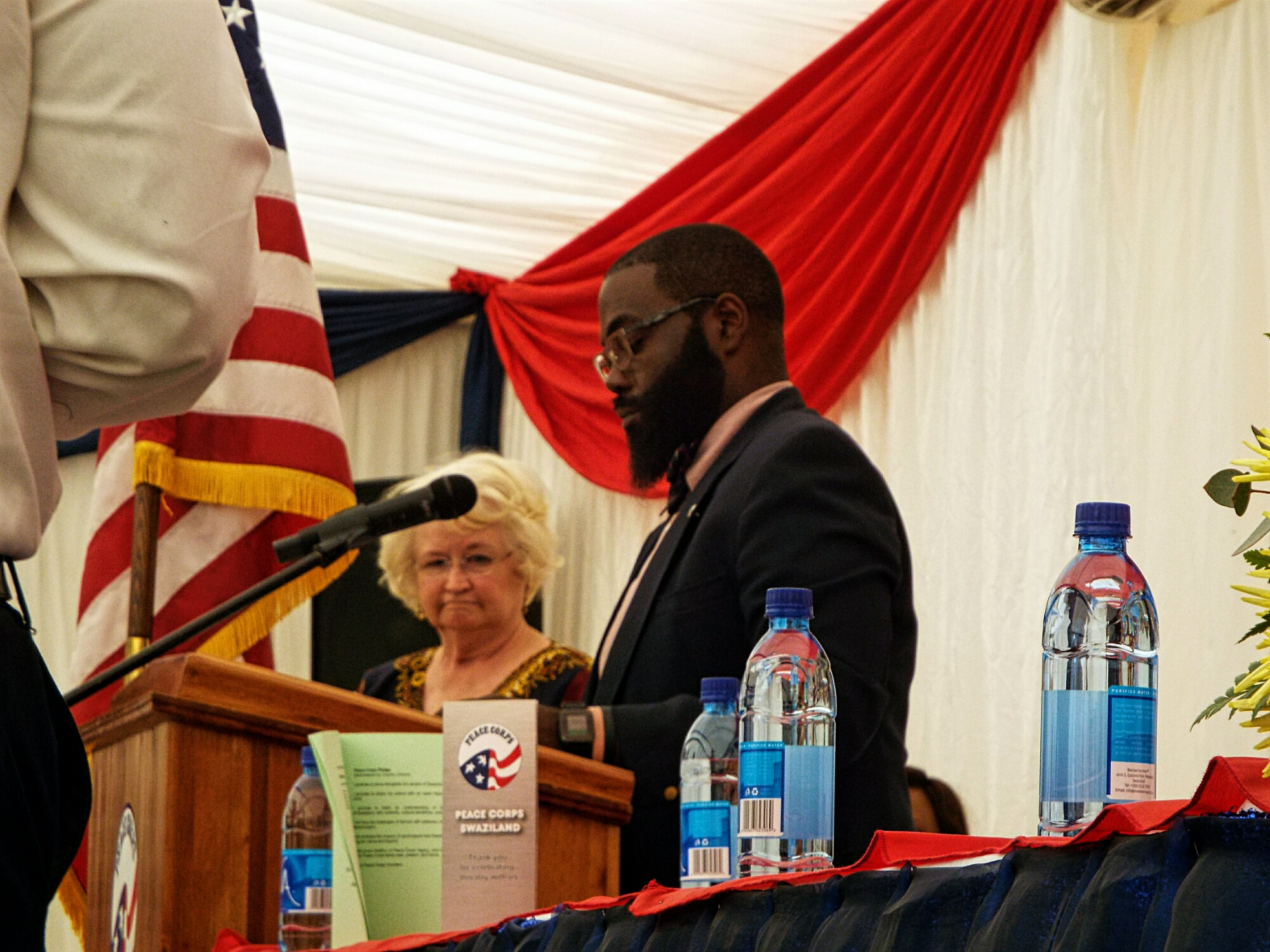
As you might know from the previous post, I gave remarks on behalf of my training class. These remarks were given in siSwati. I even ended up on the Swazi evening news. Feel free to read those remarks here. Photo credit: Aaron W.

Students from Saint Frances Primary School performed traditional dance during the ceremony. Photo credit: Aaron W. 

Fancy feast. It’s a brand of cat food in America, but for swearing in, it meant eating like a king. 

If you know me, you know I try to burn bright 366 days a year. Shouts to my brothers and sisters headed to Black Rock City now. 

Thank you to all of the wonderful people who made this happen wherever you are in the world. 

Be kind to yourself. 

Onward. 

Photo Post: July 2016

image

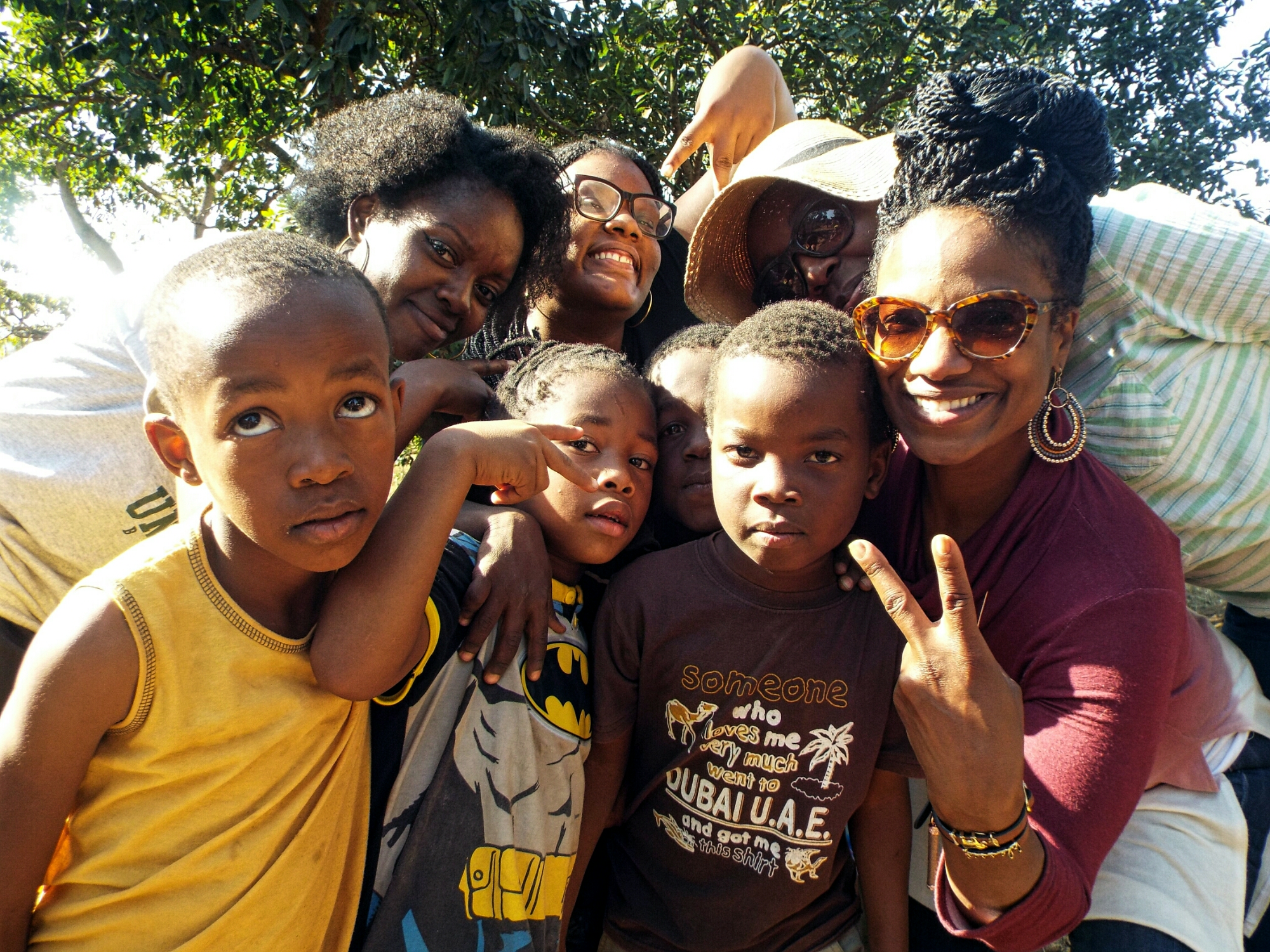
Three out of my four young bobhuti in my training host family. They wanted a picture. Wish granted.

image

Half of our language class, with our thishela. It’s always the right time for a selfie.

image

That’s me cutting the chicken’s neck while a thishela holds the chicken’s body. It’s a real farm to table experience. Photo credit – Timmya D.

image

During a school visit, we were waiting on the teacher to show up. I entertained questions about life in America. Photo credit – Timmya D.

image

Meet Deborah, right, and Lakia. These young ladies are in my cohort (G14). They graciously agreed to be subjects as I work on my photog skills.

image

As a part of our training, we visited the sangoma, or traditional healer. He calls on the ancestors to heal folks of various ailments.

image

We were privileged to journey to Milwane Game Reserve. A walk through the game park revealed stupendous sights.

image

During our visit to the Matenga Cultural Village, Darah was invited up to join the dance. The cultural village educates people on Swazi culture and traditions.

image

If you know me, you know I love bicycles. These bobhuti allowed me to ride their bike for a bit. No tires. No chain. No cog. No seat. No problem. Photo credit – Timmya D.

image

Each one, teach one. Meaghan and Darah talk to some local children about gardening after our permagardening session.

image

This is Letty. Her shirt caught my attention. I find out that a local guy makes them. I’m excited to buy local and support small business.

image

At the end of a long day of a practicum, this permagarden is the result. Team work makes the dream work.

image

After playing catch, they stopped for a picture. Lots of love captured here.

image

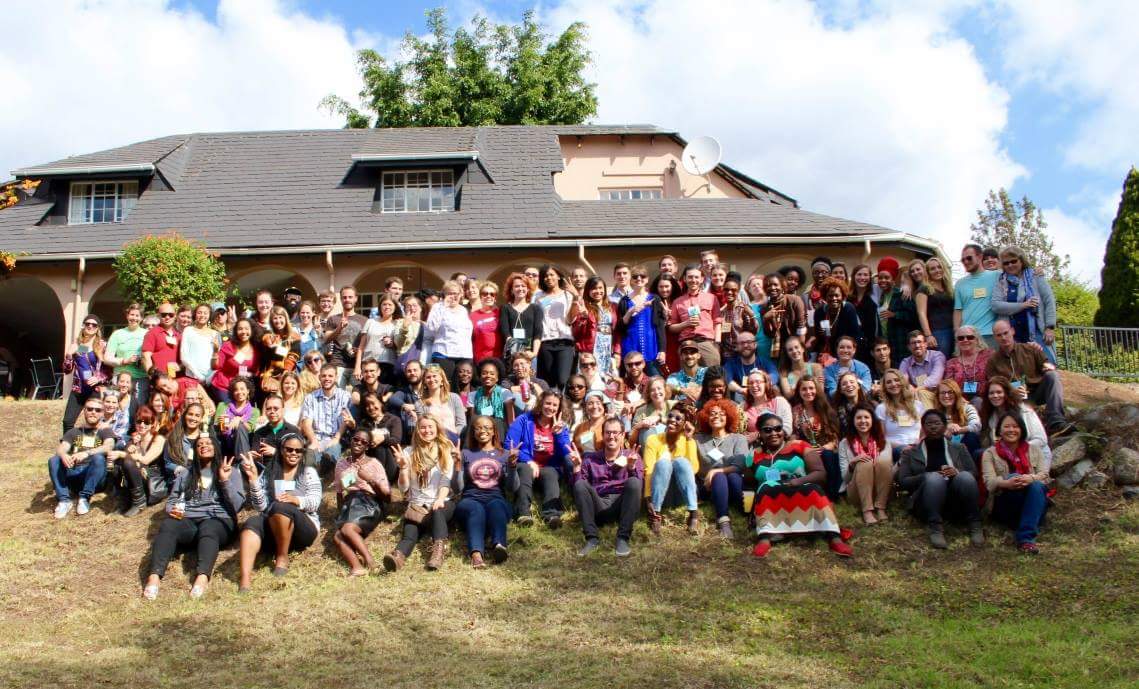
I’m not sure who took this photo, but here are almost all of the currently serving volunteers (and trainees) at the Fourth of July celebration hosted by our country director. Peace Corps Swaziland!

Be kind to yourself.
Onward.

Photo Post: June 2016

image

This is a group of almost all most of group 14 from Peace Corps Swaziland. This was the day that we met our training host families and moved in. Things were running on Swazi time, which meant that it was time to capture the perfect selfie.

image

After our khombi broke down and we walked to the village, we came upon a soccer game/practice. These young boys were fascinated by Nate’s camera. I think Rachael and Meaghan were intrigued as well.

image

Nevermind Clarin’s face in the background. The foreground features me and my teacher. She’s hard on us, but she’s kind and makes sure that we know what we need to know.

image

image

These pictures are from my homestead. The above is a picture from the latrine in the morning. The bottom is a picture of that latrine. This is home.

image

Sometimes, after you meet the village chief, you stop for a selfie break with a fellow trainee’s host family. So much beauty in this photo.

image

This probably should have been first. When we first arrived from Johannesburg at the training site in Swaziland, all of the Peace Corps training staff came out to greet us. We were happy, if you can’t tell. Photo credit – Nellie

image

Nellie captures all the perfect pictures in all of the right moments. We were headed to school/the training site in this one.

That’s all for now. Hopefully, I’m able to share pictures often.

Onward.