​Umlungu myama – What They Call Me, Part Two

Last week, I started delving into what people call me and how I am addressed here in Swaziland. You can check out that post here

On more than a few occasions, people have questioned where I am from. When I respond that I am from Washington, DC, sometimes, I’m asked from which country (in Africa) my family and I originated. I’ve been told, by various folks in Swaziland, that I must be from Nigeria. I’ve also heard that I am Swazi. I’ve also been told that I from various other places. When I respond that I don’t know where our African origins lie, folks look closer to try to figure out where I am from. Some tell me that I couldn’t be from America. 

This typically leads to conversations about race and diversity in America. For some people who aren’t unaware of the presence of Black people in America, they may refer to me as umlungu myama (pronounced om-loon-goo mm-ya-ma). I was initially told that this means Black American. It was surprising to learn this because myama means black and umlungu means white person. When I first heard the term, I was confused as to how I could be a Black white person. Umlungu has since been clarified to also mean boss or foreigner. Umlungu myama makes a bit more sense, as one gentleman still thinks that I am of Nigerian origin.  In that sense, umlungu myama would mean Black foreigner. I’ve also heard Swazis use the term when describing me in siSwati to someone else. 

In the rarest of occasions, I’ve been referred to as umlungu, without myama. The person shouting in this instance is typically a young man trying to sell me something. I tend to ignore these instances, especially since it usually happens in a big city centre that I don’t frequent. Some things aren’t worth the bother. 

Be kind to yourself. 
Onward. 

Follow What is Kirby Doing? on WordPress.com

On the outside, looking in

​The year was 2011. I had purchased a roundtrip ticket from Washington, DC to Cape Town, South Africa. I would be vacationing in southern Africa for almost a month. I wanted to do all there was to do, and see all there was to see. While crossing a border (either from Mozambique to Swaziland, or Swaziland to South Africa), I started talking with one of the other passengers on the bus as we waited for everyone to clear customs and immigration. He asked me where I was from and if this was my first time in Africa. I told him that it was my first time, and that I lived in DC. He, a Mozambican  working in South Africa, went on to ask me how Africa was treating me. I let him know that I was enjoying my time and that everyone had been very welcoming and kind. His response has stayed with me, and probably will forever. He expressed happiness that Africa had been so welcoming. He told me that I was always welcome here, and that any family or friends would welcomed just as warmly across the continent. Wow! 

Fast forward to now. October 2016. I live in southern Africa. In Swaziland, on the border with South Africa. I have been asked family, friends, and locals if I’m scared, or worried, being so far away from home. I’m not. When I actually reflect on the state of affairs around the globe (especially in the US), I’m actually worried to return to the US. I’m a burly, bearded 30-something Black man, and I have feared and would fear for my safety in various parts of the US much more than here in Swaziland. 

Last year, as riots filled the streets of Baltimore (a 40 minute drive north of DC), I watched news coverage from my living room. People were fed up with another Black man dying at the hands of law enforcement officers. That evening, I received a text message from my brother saying, “Stay safe. It’s only a matter of time before the revolution makes down there (to DC).” Since I left the US in June, there have been even more Black people to die at the hands of law enforcement. There aren’t the same massive protests that seemed commonplace even a year ago when Black people were killed by law enforcement. I doubt that the protests can keep up with the shootings. As I write this, I think about that text message from my brother. I think about sending him a similar message. It’s a strange dichotomy. Some family and friends fear for my safety here in Swaziland, while I have similar fears for their respective safety across the US. 

In contrast to the many law enforcement shootings at home, I feel really safe, warm, and welcomed here in Swaziland. This is the country that has been called one of the friendliest in Africa. I’ve only seen one police officer with a firearm, and that was weird to see. The biggest fear of crime against me that I have here is being robbed or having something stolen, which is miniscule compared to my worries about speaking siSwati more fluently and being understood. 

Be kind to yourself.
Onward.

Photo Post: August 2016 (NSFW)

Warning: this post does contain one picture with nudity (bare breasts)

The cow chilling with the calf. Life in Nkamandzi is pretty good. 

Some extended family came over for the weekend. My bobhuti made swings for everyone to play on. 

After dinner, I wanted to capture the moment and the moon. Mostly, the moon. 

For host family appreciation day, some trainees donned traditional Swazi dress (lihiya and sidvasha). 

I haven’t encountered many training managers. But after being under the tutelage of Yemi, I can confidently say that she’s the best. 

My sikhoni, mzala (cousin), and me on host family appreciation day. Photo credit: Timmya D. 

Bhuti wami, make wami na mine. (My brother, my mother, and me). Host family appreciation day. Photo credit: Timmya D. 

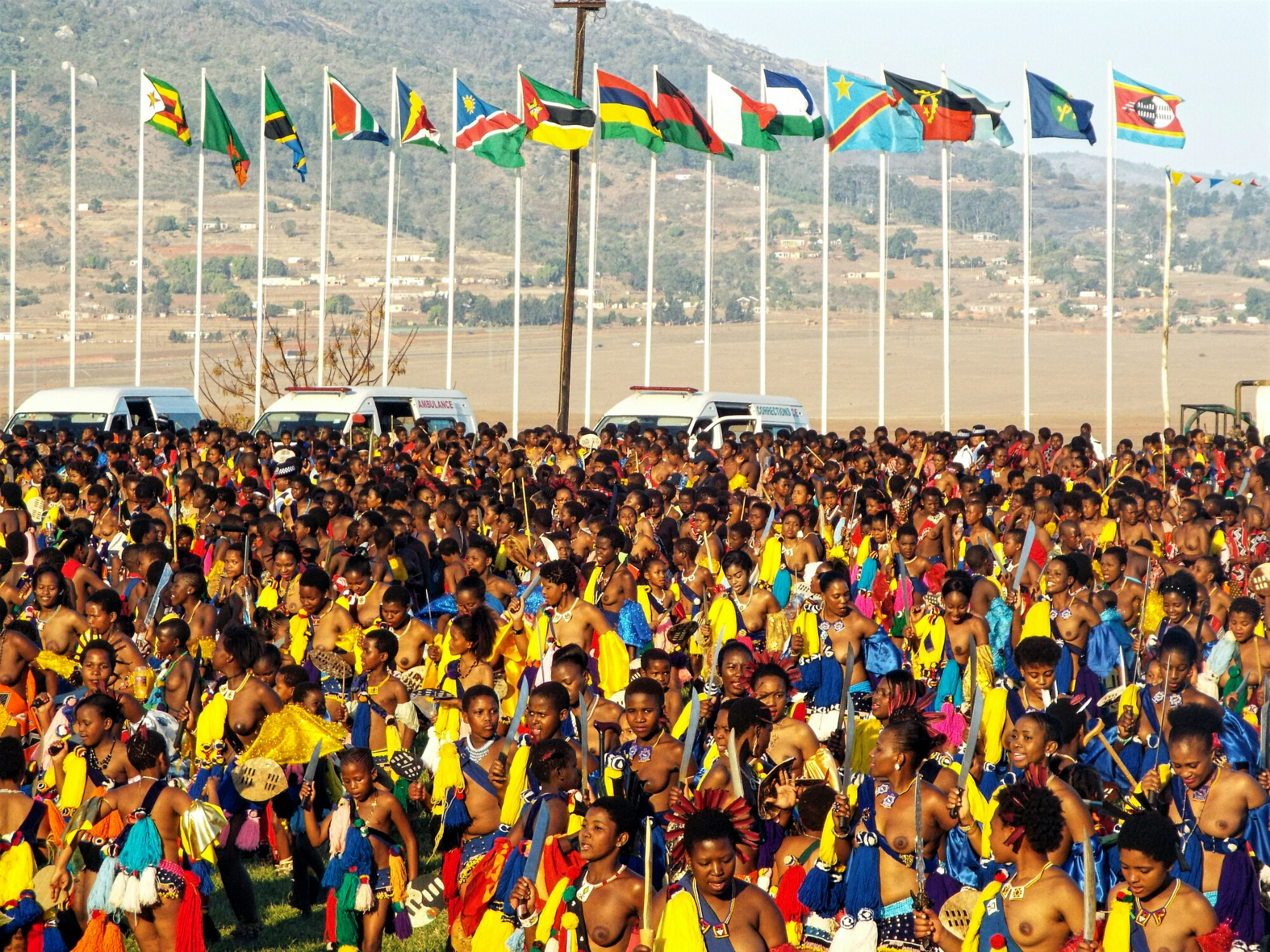
One of the biggest traditions in the world, Umhlanga, celebrates the purity and chastity of young maidens. Also, called the Reed Dance, about 98000 young ladies and girls. 

When his majesty, King Mswati III arrives, he arrives! He attended Umhlanga also with dignitaries from Malawi, Mozambique, Angola, Tanzania and, Lesotho to name a few. 

Extended family comes to town. Of course, pictures are in order. 

Before the host family appreciation day festivities, Nate gets his lihiya (traditional Swazi top dress) on properly with the assistance of a host make. 

As we prepared to leave Nkamandzi, another volunteer’s family had some of us over for dinner. Here, Nathalie (left) cooks rice on the open fire with Akirah’s make. 

Be kind to yourself. 
Onward. 
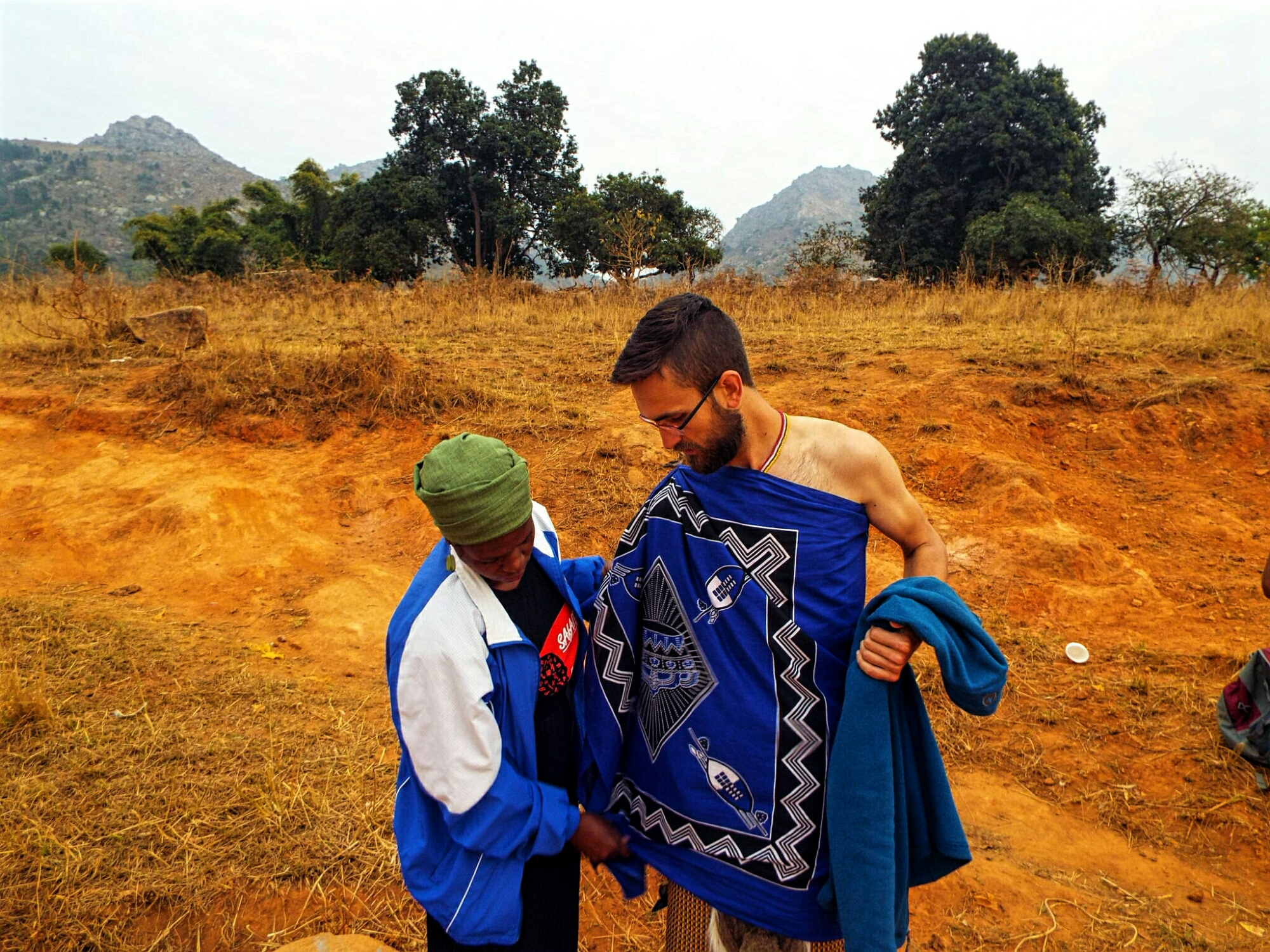
Photo Post: July 2016

image

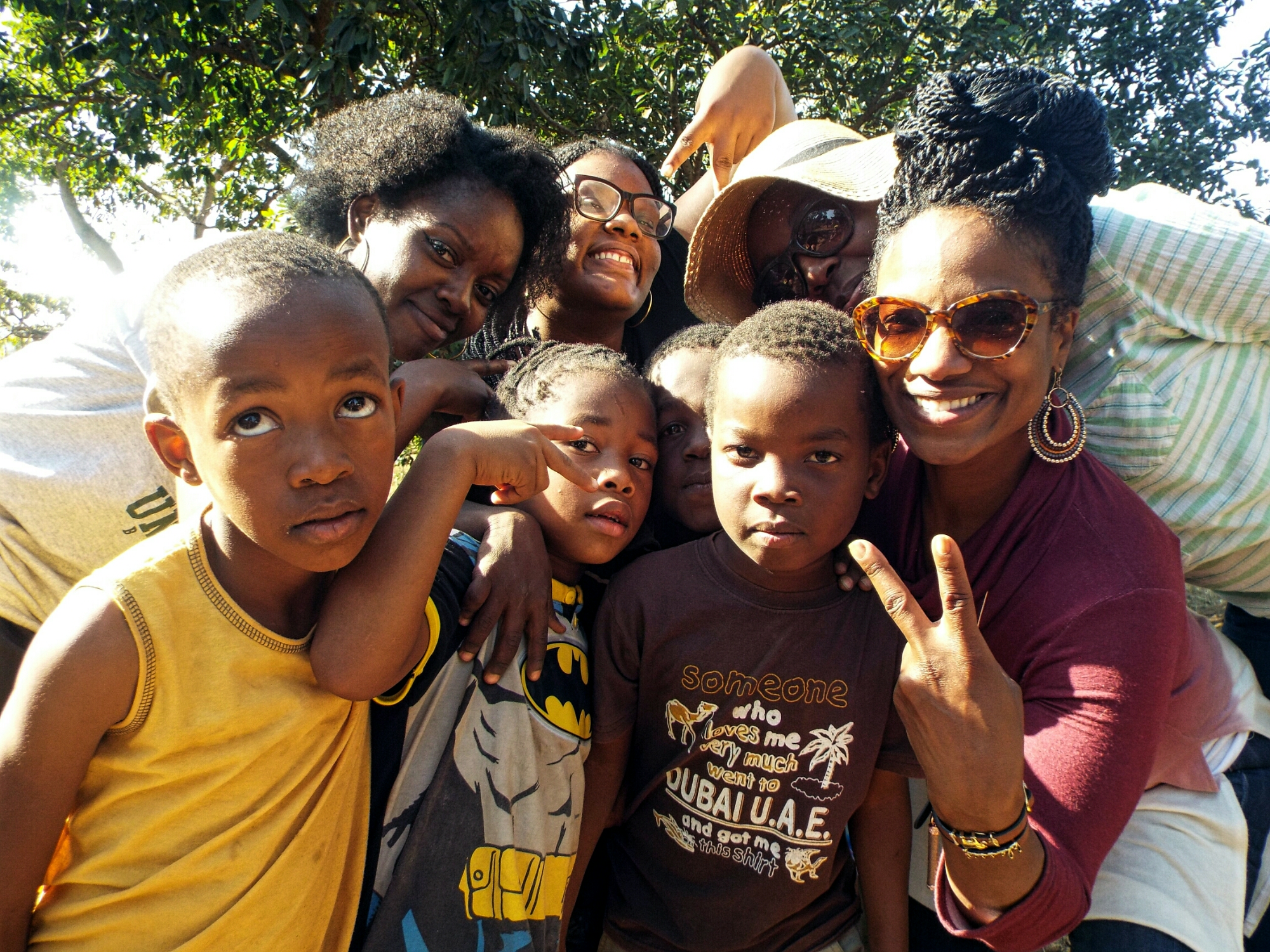
Three out of my four young bobhuti in my training host family. They wanted a picture. Wish granted.

image

Half of our language class, with our thishela. It’s always the right time for a selfie.

image

That’s me cutting the chicken’s neck while a thishela holds the chicken’s body. It’s a real farm to table experience. Photo credit – Timmya D.

image

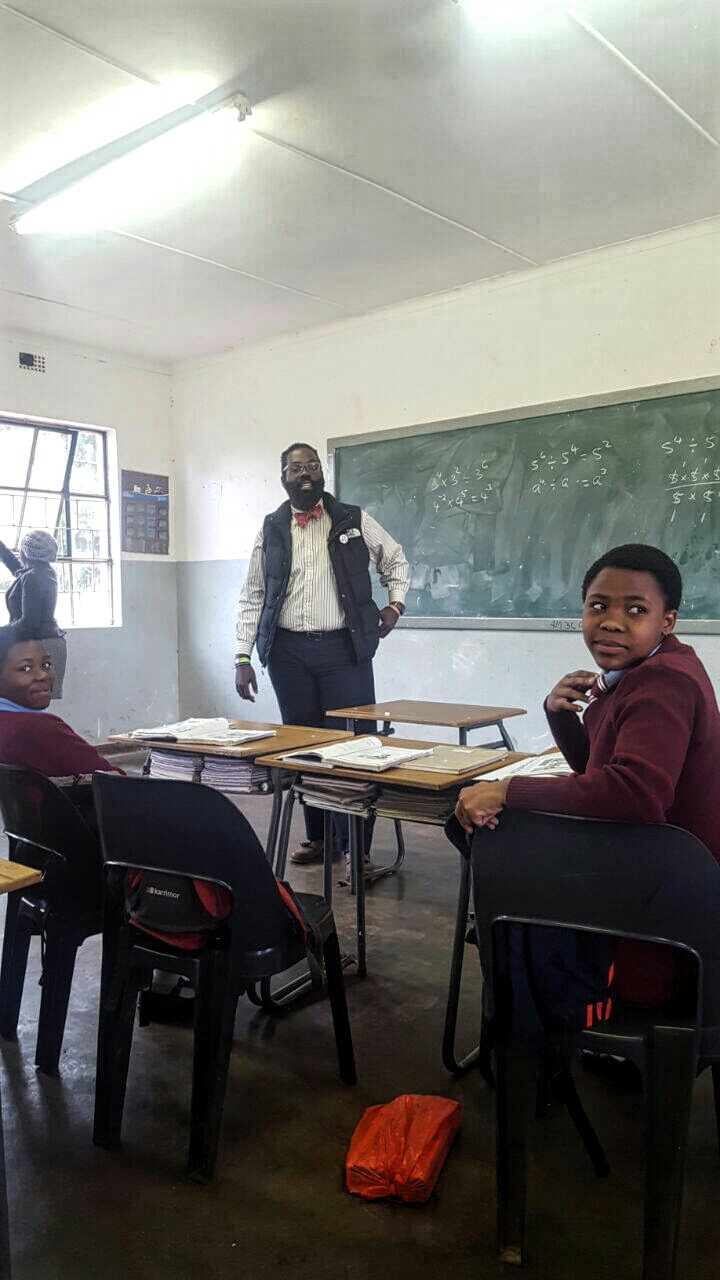
During a school visit, we were waiting on the teacher to show up. I entertained questions about life in America. Photo credit – Timmya D.

image

Meet Deborah, right, and Lakia. These young ladies are in my cohort (G14). They graciously agreed to be subjects as I work on my photog skills.

image

As a part of our training, we visited the sangoma, or traditional healer. He calls on the ancestors to heal folks of various ailments.

image

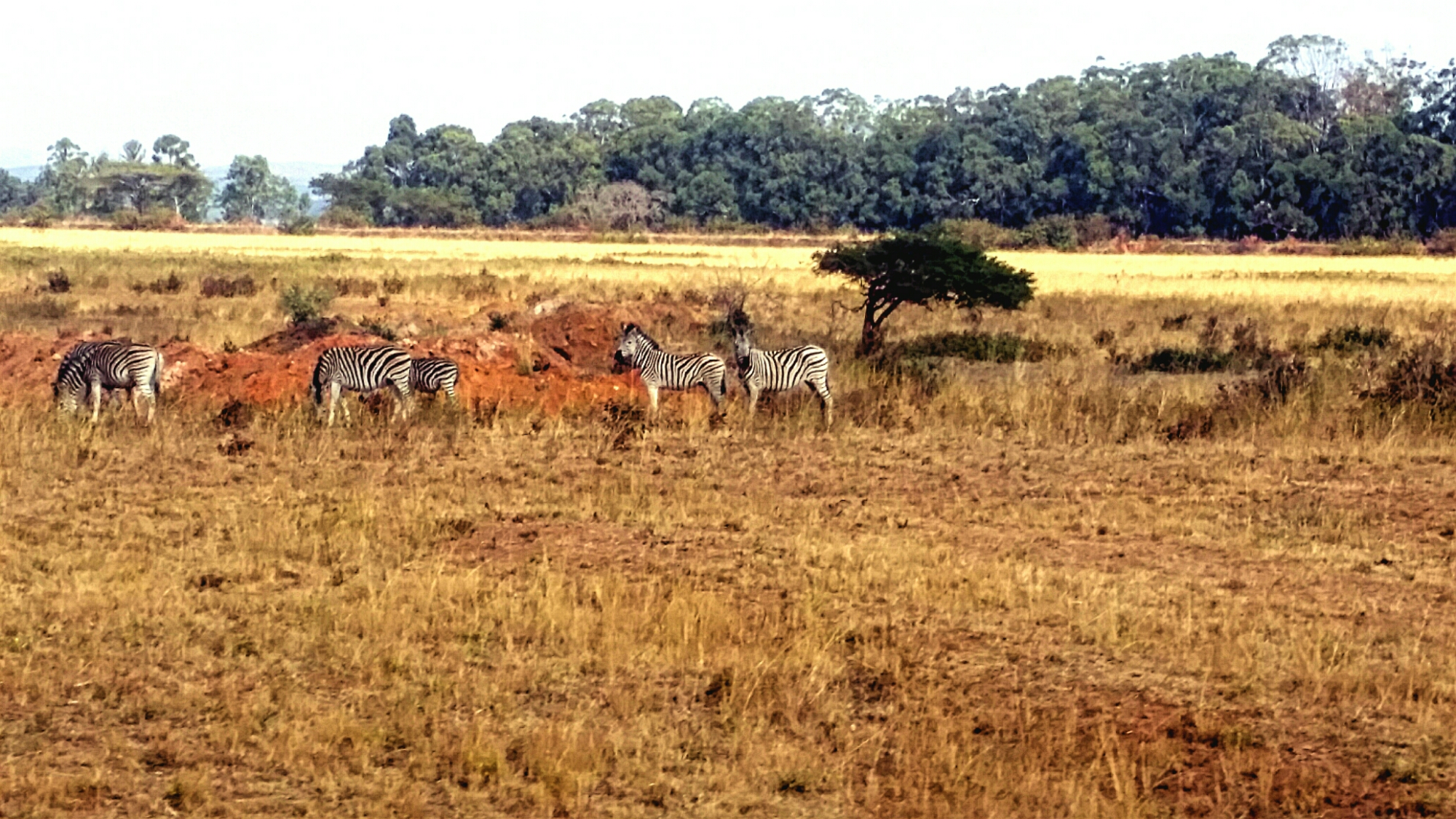
We were privileged to journey to Milwane Game Reserve. A walk through the game park revealed stupendous sights.

image

During our visit to the Matenga Cultural Village, Darah was invited up to join the dance. The cultural village educates people on Swazi culture and traditions.

image

If you know me, you know I love bicycles. These bobhuti allowed me to ride their bike for a bit. No tires. No chain. No cog. No seat. No problem. Photo credit – Timmya D.

image

Each one, teach one. Meaghan and Darah talk to some local children about gardening after our permagardening session.

image

This is Letty. Her shirt caught my attention. I find out that a local guy makes them. I’m excited to buy local and support small business.

image

At the end of a long day of a practicum, this permagarden is the result. Team work makes the dream work.

image

After playing catch, they stopped for a picture. Lots of love captured here.

image

I’m not sure who took this photo, but here are almost all of the currently serving volunteers (and trainees) at the Fourth of July celebration hosted by our country director. Peace Corps Swaziland!

Be kind to yourself.
Onward.