In the lonely hour

​On one of my first runs in my community, I was greeted by several people who were out completing morning tasks. I stopped to exchange pleasantries in siSwati before continuing with the run. Some of the community members wanted to know who I was, and what I was doing in their community. This included a group of men hanging out at the local store.

As I ran past the store, one man yelled, “Uyagijima!”, which means “You are running!” I decided that I would stop to introduce myself to the group. Because my community is on the border with South Africa, it’s not uncommon for people to have business in both Swaziland and South Africa. I explained that I’m from the Washington, DC in the US, and that I’m a Peace Corps volunteer. We discussed my adjustment to the community and Swaziland, and how I was settling in.

After a few minutes of pleasantries, one of the men asked if I had a girlfriend or wife here. I informed them that I did not. They inquired as to why I hadn’t found a wife or girlfriend here. I told them that I wanted to get to know the community and focus on that. One of the men objected saying that I could not spend my time here alone. He explained that I needed the company of a woman at least a few times a month, and that he could assist me with finding a woman. I laughed, and restated that I wanted to focus on the community. Another man asked if the Peace Corps was a Christian organization, and if that was the reason I declined the gracious offer. I told them that the Peace Corps is not a religious organization, and that I really wanted to focus on getting to know the community.

In contrast to that conversation, I’ve found that my time in the community can be isolating. There’s quite a bit of time to be with yourself. There is time to think. There is time to ponder. After the encounter with the gentlemen at the store, I thought it would be nice to have some company. However, it’s also nice to discover new things in my community while meeting new people. I’m also thankful to have the support and friendship of other volunteers and others in Swaziland, and abroad.

Be kind to yourself.
Onward.

Sweet dreams – Harriet Tubman 20

Because I am posted in a country where I might contract malaria, I have been given an antimalarial medication called, “Mefloquine”. One of the side effects of this medication is lucid dreaming. The following is what I dreamt last night (as best I can remember). 


I was somewhere in the US. I had agreed to cut some guy’s hair. He was a friend of a friend. I wasn’t working. He said that he would give me ten dollars to cut his hair. He had a big day coming up. He was white. He had hairy feet. 

The next day comes, and I’m cutting his hair outside. I am paying meticulous attention to what I’m doing. I cut his hair and give him a fresh line up. For some reason, I ask him if he wants me to shave his feet. He says ‘no’. I say ‘okay’. I’m not really impressed with the job I’ve done. He likes it though.

He’s getting up to leave. And he says ‘oh, yeah. I need to pay you for this. He said how does forty bucks sound?’ I’m excited because I was only expecting ten. He pulls out a crisp twenty dollar bill. It’s a Harriet Tubman twenty dollar bill. Fresh and new. I am so excited, like ‘bruh where did you get this?’. He just smiles. Realizing that he only gave me twenty, he pulls out another twenty. It is fresh as well. But it has a woman named Dunn on it. She’s Loretta Dunn. She’s famous for something (I still don’t know what). I’m so happy that I don’t even want to spend it. I want to save it and frame it like my first dollar. 

28

During a WhatsApp chat last week, a volunteer in my group highly recommended that I read “28: Stories of AIDS in Africa” by Stephanie Nolen. As others in the group talked about the book, those same recommendations were echoed. I had been planning to read it at some point. I figured now was a great time for it.

I’ll start by saying that the book was very worthy of all of the praise and recommendations. Nolen, a Canadian journalist, wrote the book while living in Johannesburg, South Africa as The Globe and Mail’s Africa Bureau Chief. She manages to highlight various political and cultural issues intermingled with the stories of 28 people affected by HIV in Africa. As I progressed through the book, I was very excited because the stories gave me a better understanding of the cultural landscape across sub-Saharan Africa in general, and Swaziland, in particular (two people’s stories were from Swaziland).

There’s the issue of a lack of women’s empowerment. Several stories, including one from Swaziland, were about married women who contracted the virus from their husbands. In many of these stories, the married woman wouldn’t dare ask her husband to use a condom. This remained true even if the wife suspected or knew that her husband had multiple sexual partners. To ask him to use a condom would be considered disrespectful, and she risked being thrown out of the home.

Then, there’s the issue of transactional sex. Some stories prominently featured people who engaged in transactional sex for a myriad of reasons. Lack of money. Lack of food. Lack of transportation. Lack of other employment opportunities. Lack of skills. I have heard stories during my short time here in Swaziland about double orphaned (meaning that both parents are deceased) pubescent girls who are in charge of looking after their younger siblings. Because these girls often lack things like food and money, they become prime targets for transactional sex, and subsequently are at higher risk of contracting HIV.

Reading this book at this time in my life presents a unique perspective. I am a part of the western world’s response to AIDS on the continent. While I know that there are people in DC and around the world living with HIV, it’s much more “in your face” here in Swaziland. A part of the Ministry of Education curriculum includes lessons of HIV awareness, prevention, testing and counselling. Free condoms are distributed around the country as a part of the “Got it? Get it.” campaign. Many NGOs operate in Swaziland with expressed purpose of reducing HIV incidence (new infections). I’m excited to, hopefully, be a part of the solution, and to continue learning.
Be kind to yourself.
Onward.

Photo Post: August 2016 (NSFW)

Warning: this post does contain one picture with nudity (bare breasts)

The cow chilling with the calf. Life in Nkamandzi is pretty good. 

Some extended family came over for the weekend. My bobhuti made swings for everyone to play on. 

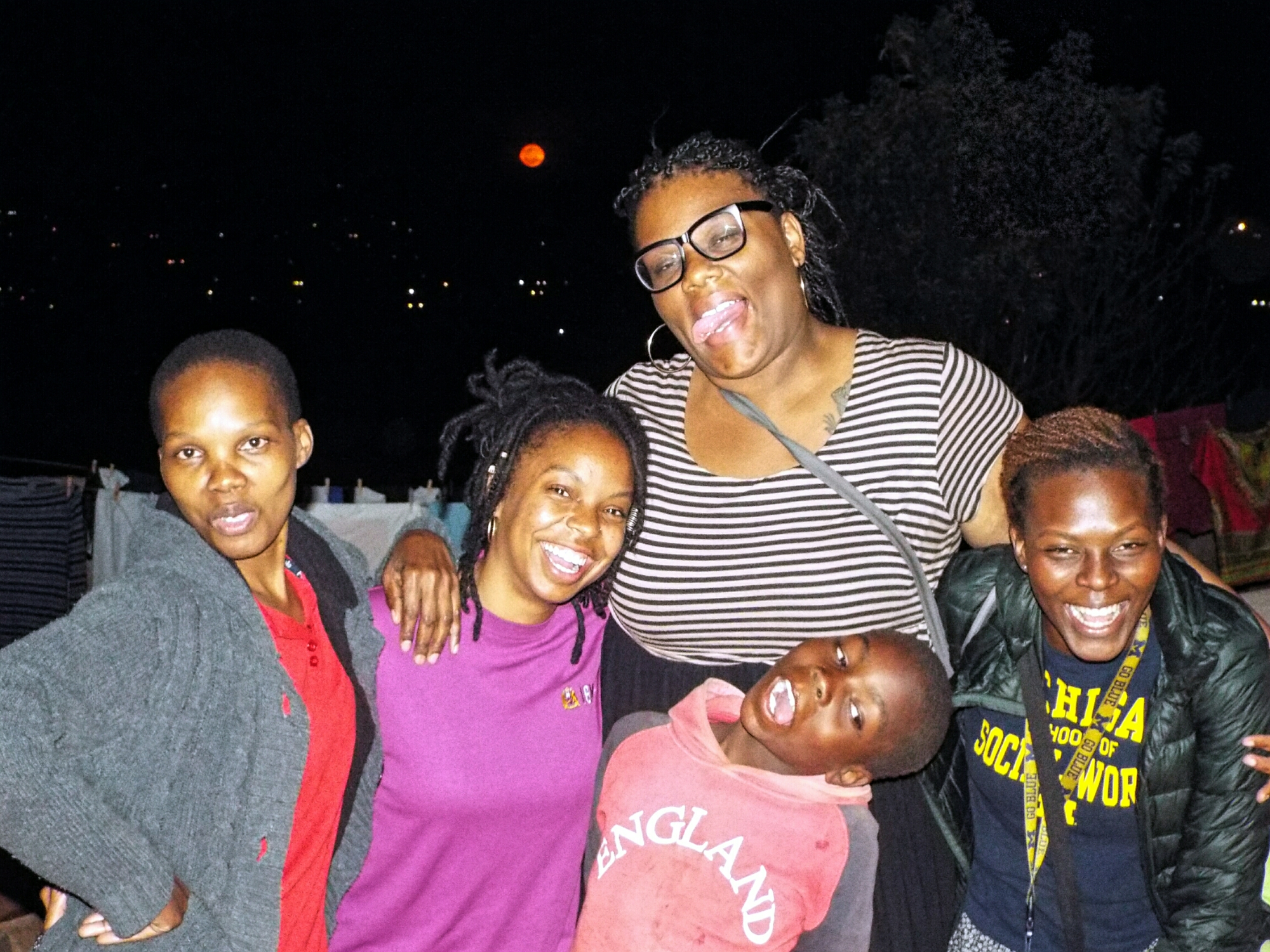
After dinner, I wanted to capture the moment and the moon. Mostly, the moon. 

For host family appreciation day, some trainees donned traditional Swazi dress (lihiya and sidvasha). 

I haven’t encountered many training managers. But after being under the tutelage of Yemi, I can confidently say that she’s the best. 

My sikhoni, mzala (cousin), and me on host family appreciation day. Photo credit: Timmya D. 

Bhuti wami, make wami na mine. (My brother, my mother, and me). Host family appreciation day. Photo credit: Timmya D. 

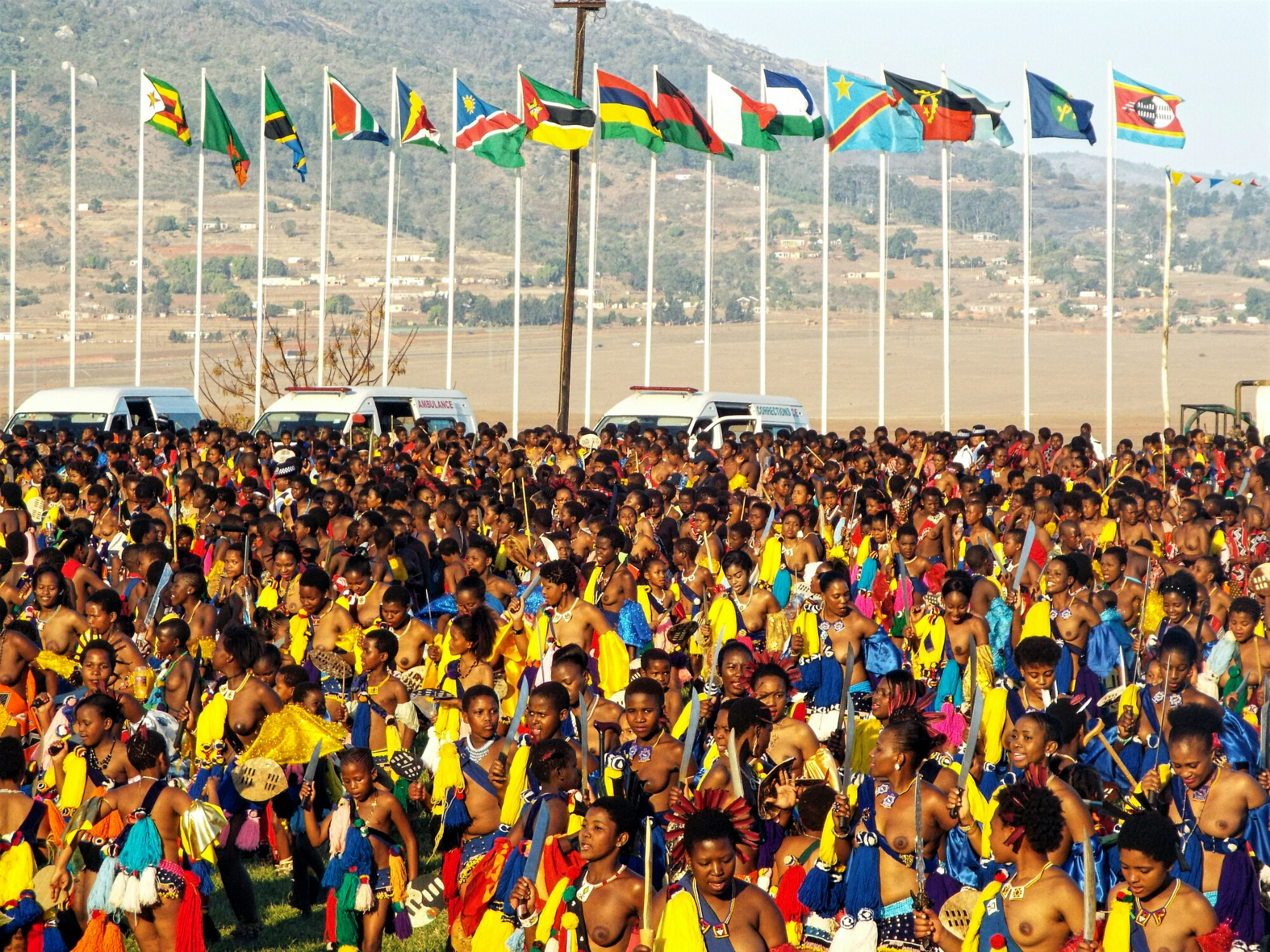
One of the biggest traditions in the world, Umhlanga, celebrates the purity and chastity of young maidens. Also, called the Reed Dance, about 98000 young ladies and girls. 

When his majesty, King Mswati III arrives, he arrives! He attended Umhlanga also with dignitaries from Malawi, Mozambique, Angola, Tanzania and, Lesotho to name a few. 

Extended family comes to town. Of course, pictures are in order. 

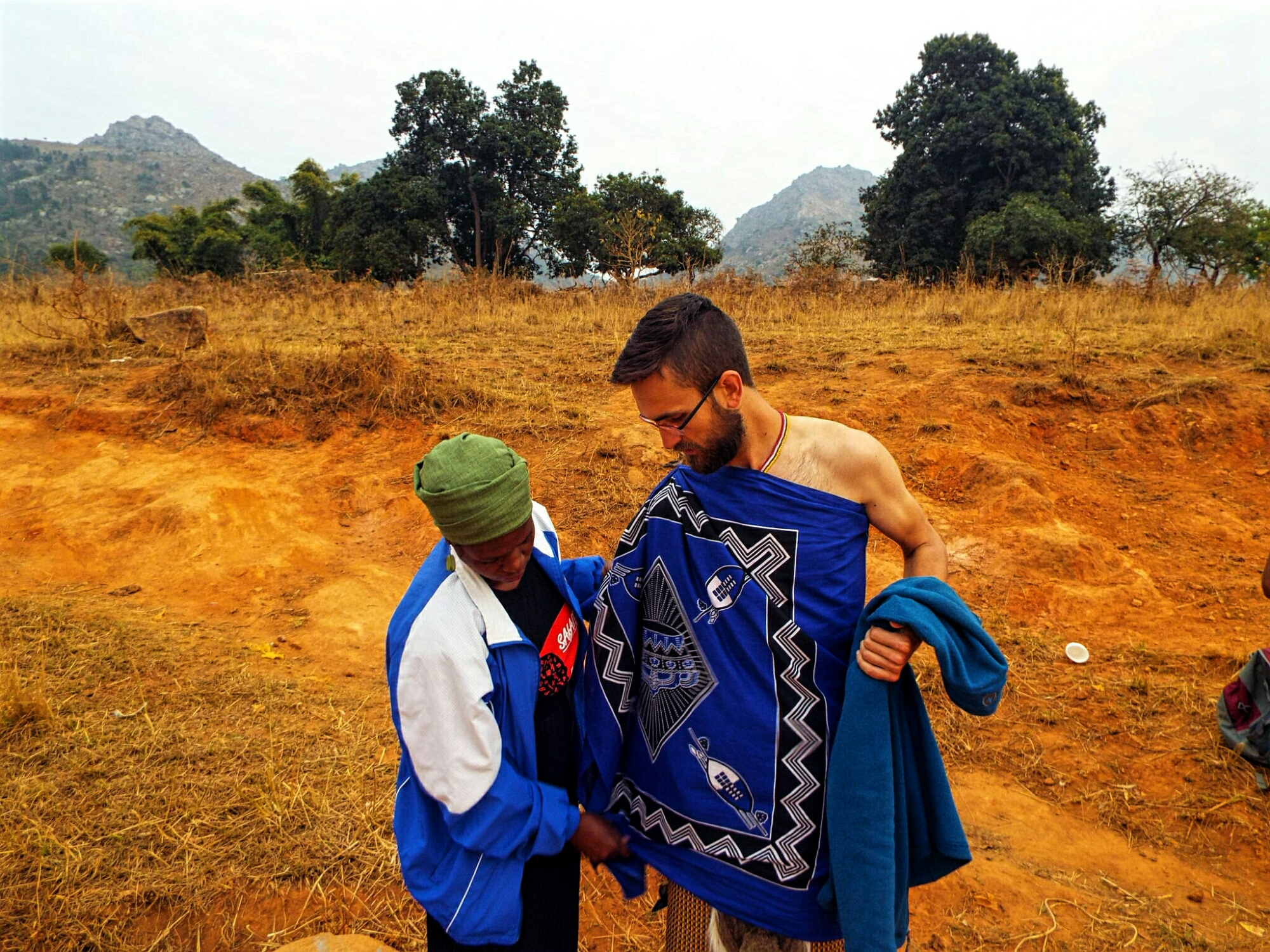
Before the host family appreciation day festivities, Nate gets his lihiya (traditional Swazi top dress) on properly with the assistance of a host make. 

As we prepared to leave Nkamandzi, another volunteer’s family had some of us over for dinner. Here, Nathalie (left) cooks rice on the open fire with Akirah’s make. 

Be kind to yourself. 
Onward. 

Swearing In: a special picture post

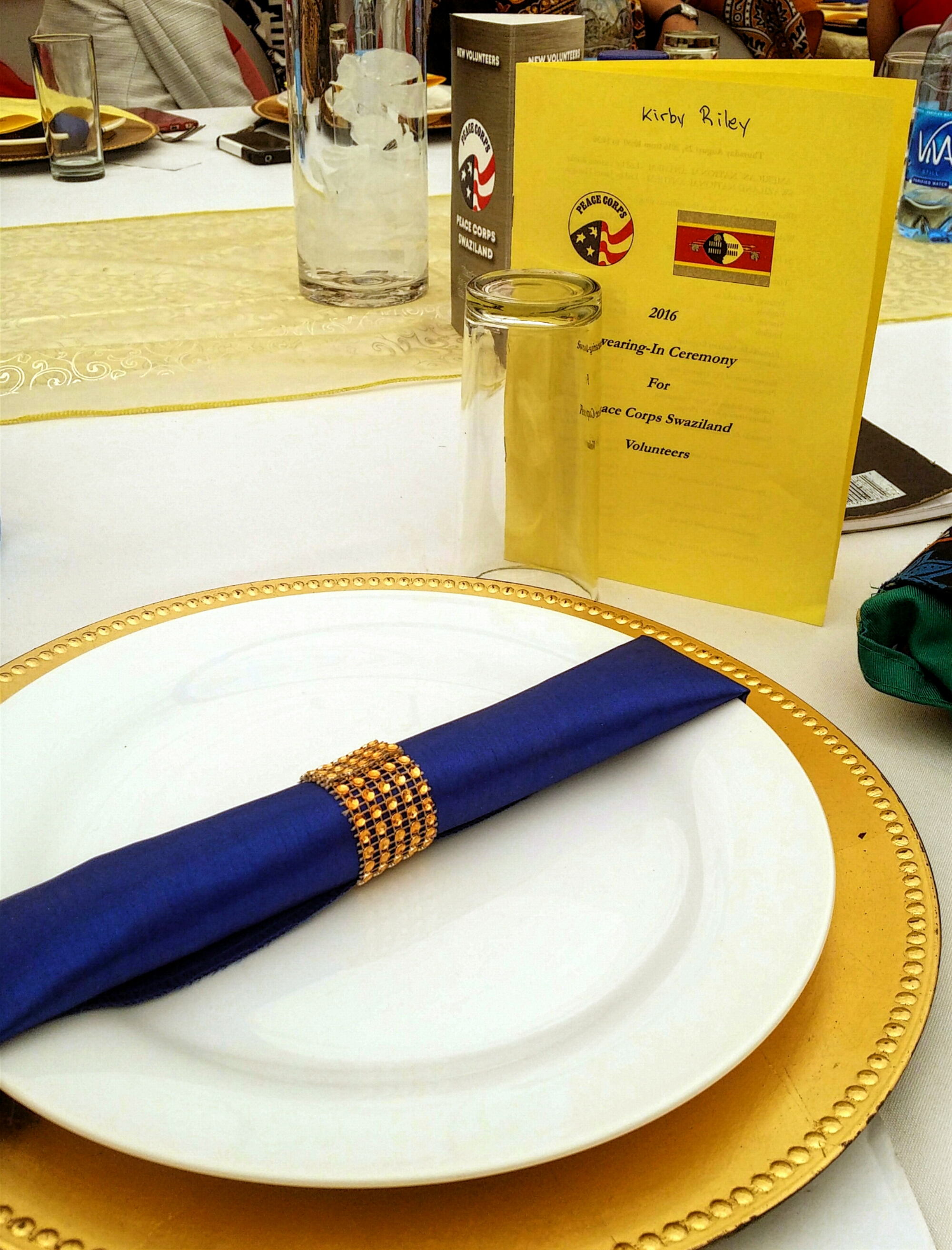
On Thursday, my group (G14) along with six Peace Corps Response volunteers took an official oath of service in front of several other currently serving volunteers, dignitaries, community members. Here are some pictures from the event. 

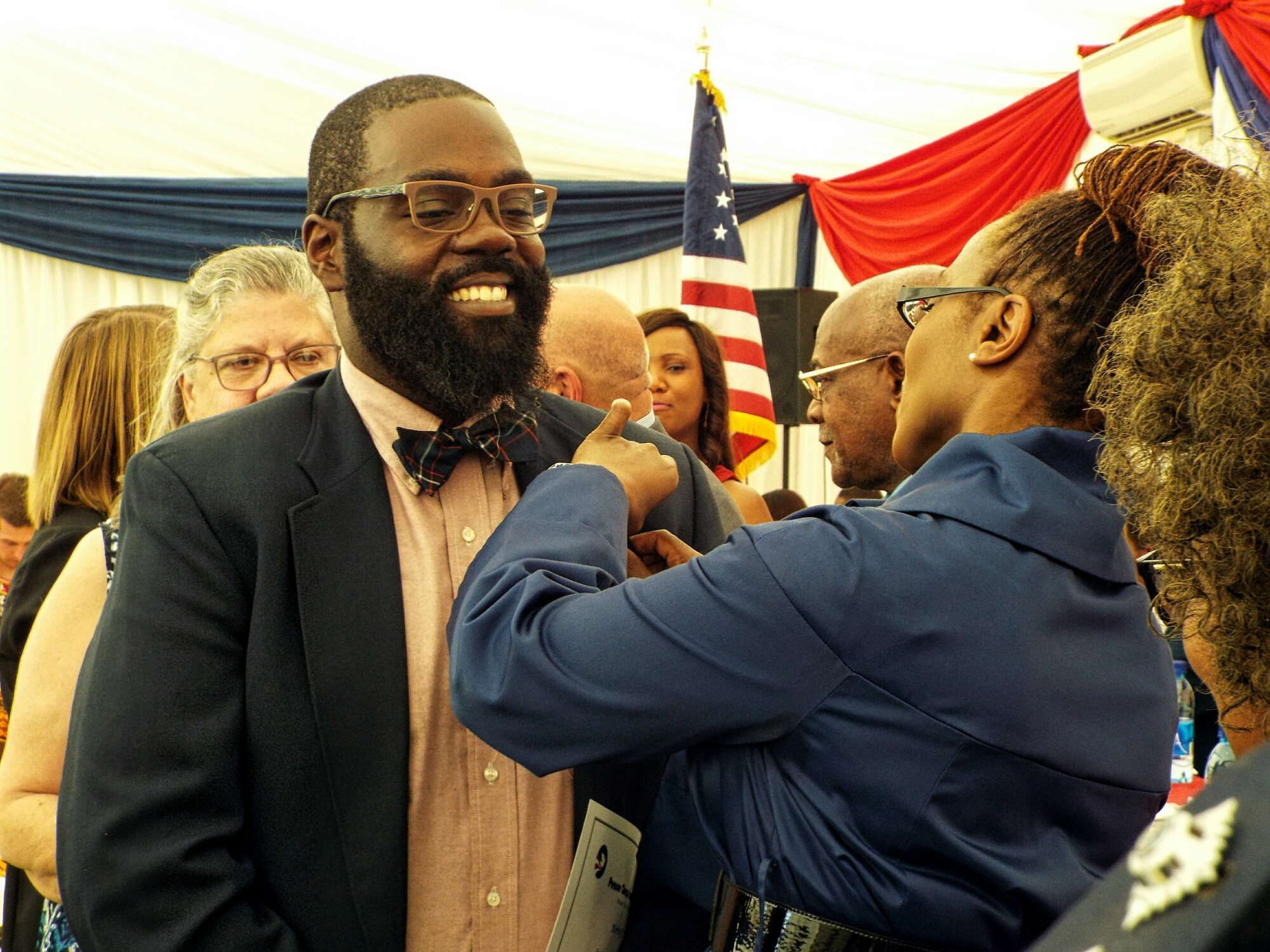
Our country director pinned each of us. It’s a cool pin that has Peace Corps’ logo with the flags the US and Swaziland. Photo credit: Aaron W. 

Black excellence in action. Period. 

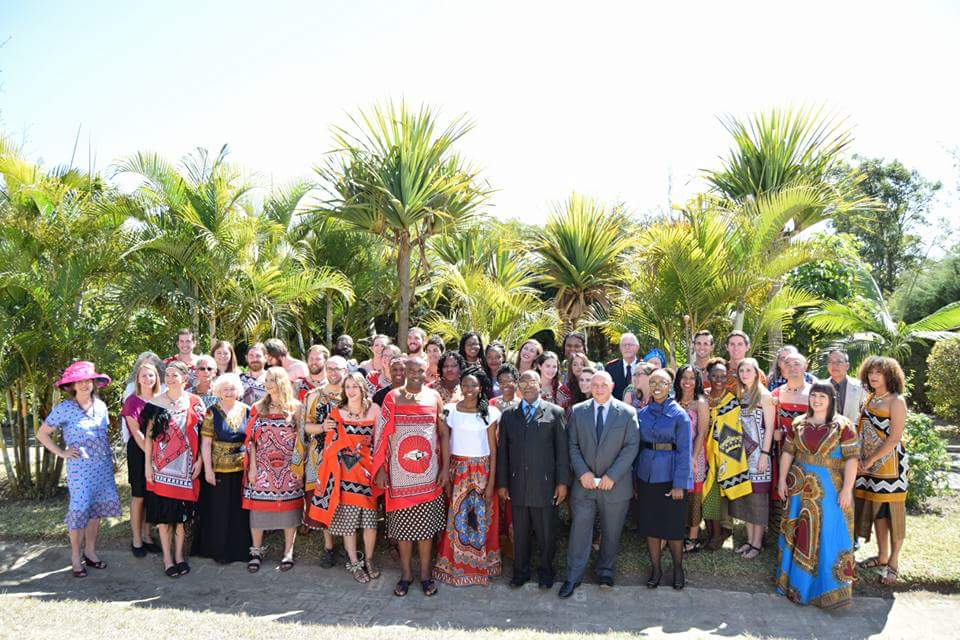
Group 14 of Peace Corps Swaziland and the Global Health Service Partnership (PC Response), along with the country director, deputy chief of missions, Ministers of education and economic development. 

My teacher is the best in the business. Timmya challenged me to make sure I learned siSwati. I’m going to miss being in her class. I will get to sleep a bit more. So there’s that. 

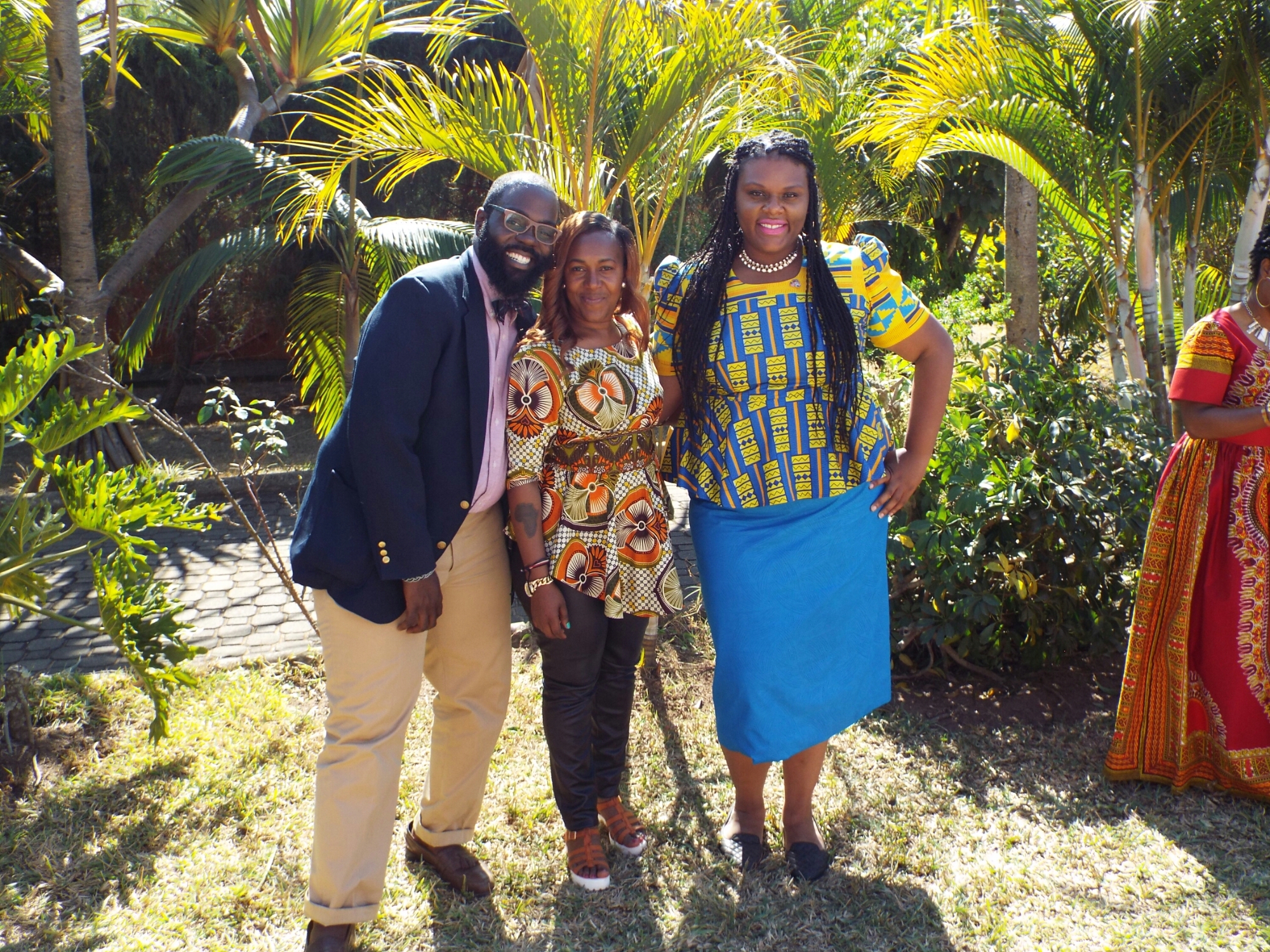
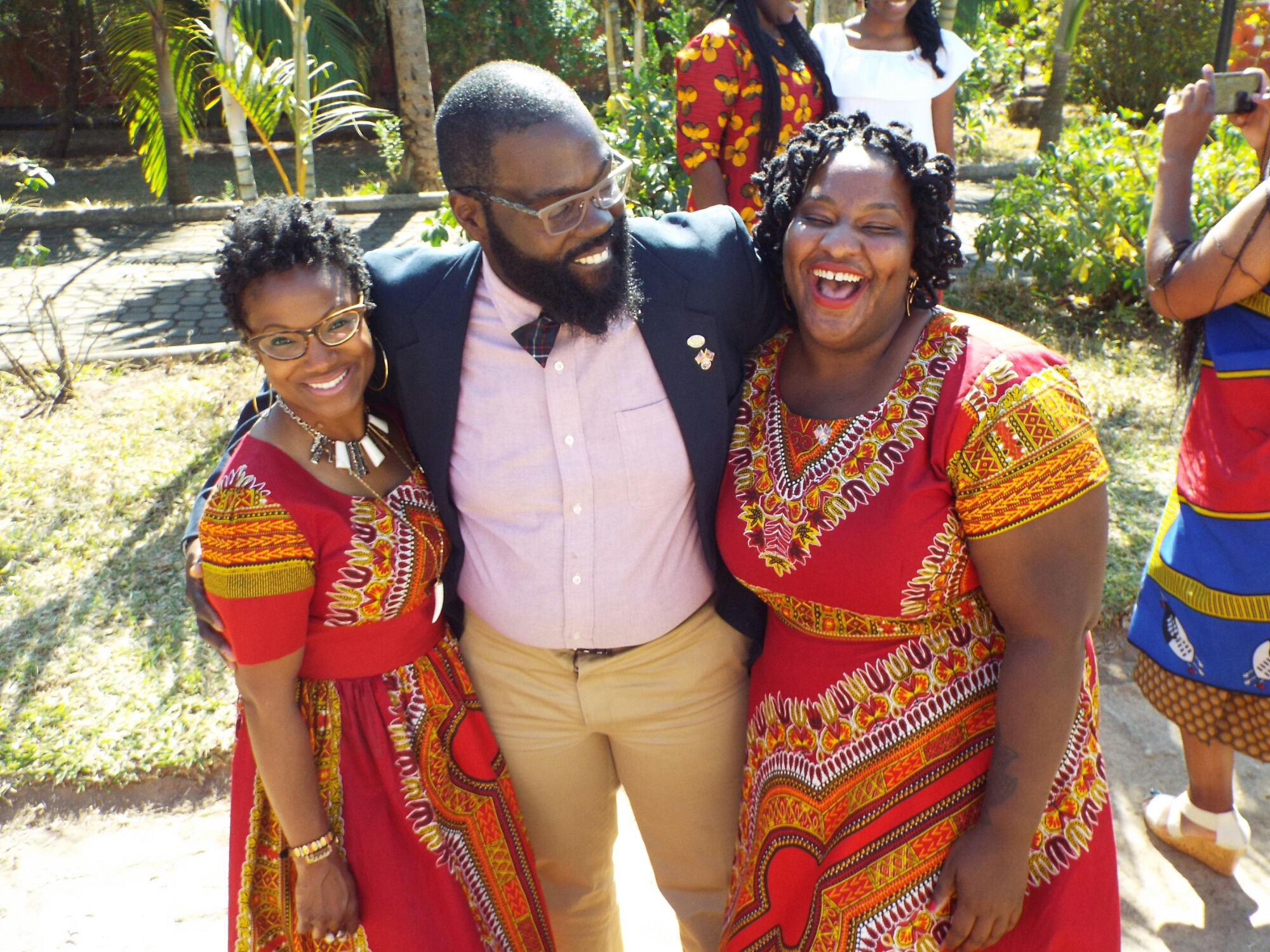
These ladies provided great support. I’m looking forward to the next two years. 

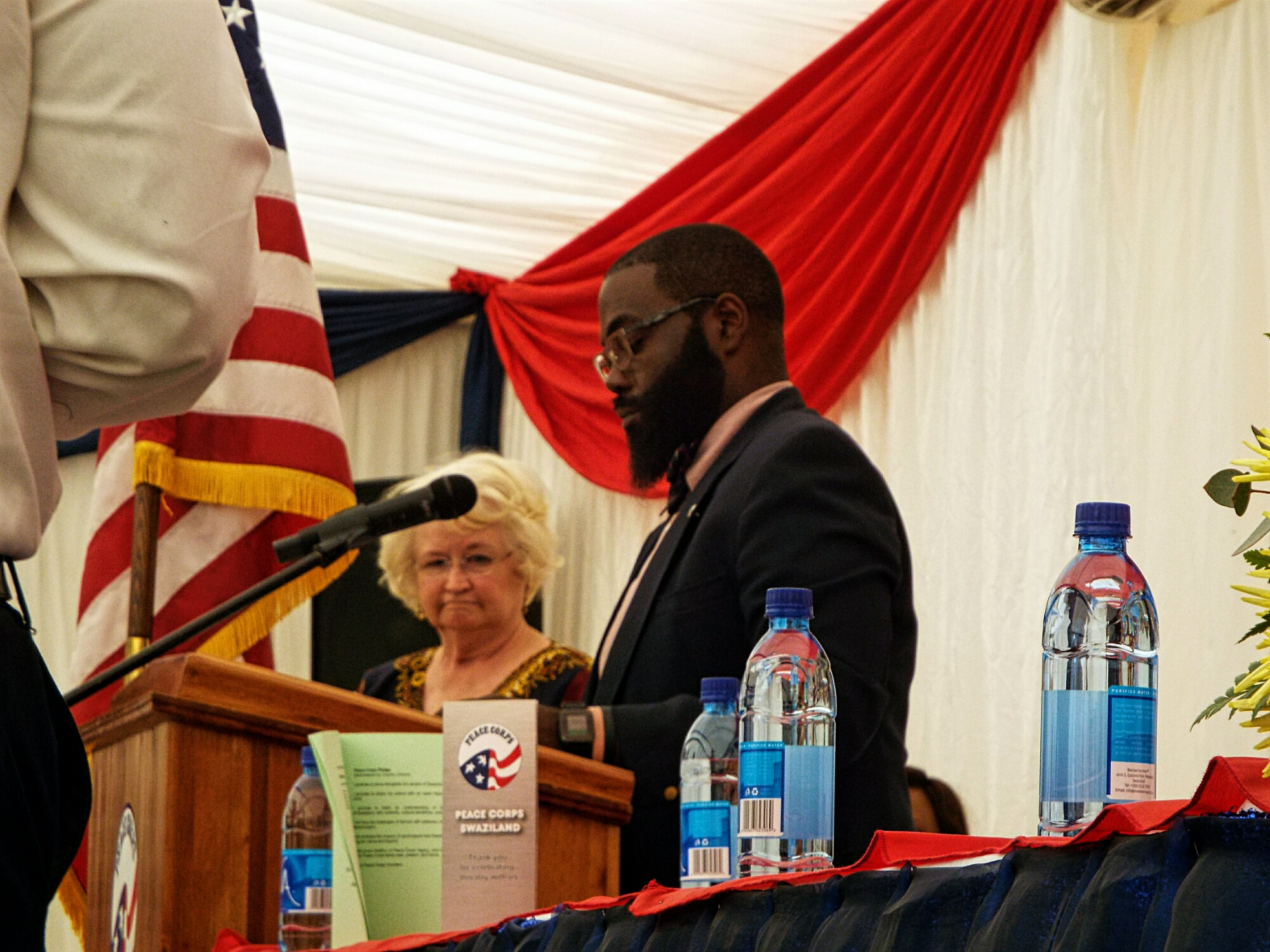
As you might know from the previous post, I gave remarks on behalf of my training class. These remarks were given in siSwati. I even ended up on the Swazi evening news. Feel free to read those remarks here. Photo credit: Aaron W.

Students from Saint Frances Primary School performed traditional dance during the ceremony. Photo credit: Aaron W. 

Fancy feast. It’s a brand of cat food in America, but for swearing in, it meant eating like a king. 

If you know me, you know I try to burn bright 366 days a year. Shouts to my brothers and sisters headed to Black Rock City now. 

Thank you to all of the wonderful people who made this happen wherever you are in the world. 

Be kind to yourself. 

Onward. 

Embargoed until delivery

Let’s just start by saying, I AM OFFICIALLY A PEACE CORPS VOLUNTEER!

Group 14 swore in yesterday, and I had the distinct honor of giving the trainee class remarks in siSwati. Below, I have included my remarks, both in siSwati and English.

SiSwati –

Sanibonani bonkhosi

Ngiyajabula kutfola lelitfuba lekukhulumela onkhe emavolontiya aG14. Etinyangeni letimbili letendlulile, emavolontiya lachamuka etindzaweni letehlukene taseMelika afike kaNgwane.

Sitikhetsele kutosita emaSwati, siphendvule lubito lwaPeace Corps lwekutsi sitinikele kutovolontiya, selule sandla sebungani, siselulele eSwatini.
Ngitsatsa lelitfuba kubonga ingwenyama yeMaswati kusimema kutsi sitosita eSwatini. Ngendlulisa kubonga kuTraining staff sakaPeace Corps. Ngendlulisa kubonga kubothishela labente siciniseko kutsi sifundza siSwati nemihambo yemaSwati. Ngetulu kwaloko, ngibonga tonkhe tikhulumi netimenywa letetfule tinkhulumo nasisaceceshwa. Kuliciniso kutsi kutsatsa umango wonkhe kufundzisa livolontiya. Ngibonga kakhulu, kakhulu kumango wase Nkamanzi nase Sihhohhweni kusivulela emakhaya netindlu tabo. Siyabonga kwenta siciniseko kutsi silungele kuyosebenta emimangweni yetfu. Sifundzile, sadadisha, sitimisele kuchubeka nekufundza sisatinta eveni lakaNgwane.

Babe Bongani Shiba wake watsi, “silitsimba laseMelika eSwatini, lokusho kutsi emimangweni yetfu sitomelela live nebantfu bonkhe baseMelika”. Wachubeka watsi,”nyalo sesimelele mengameli welive laseMelika noma ngukuphi lapho sihamba khona, etifundzeni totine takangwane, nakuto tongu 55 tinkhundla telive”.

Egameni lemavolontiya elishumi nane (14) solo abuya Peace Corps eSwatini, sicela kunatisa nekucinisekisa kutsi sesilungele. Silungele kusita, silungele kunikela lucobo lwetfu emsebentini, nasekweluleni tandla tetfu tebungani kulo lonkhe laseSwatini.
Siyabonga kutfola litfuba lekusita nekusebenta nani.

Sinitsandza nonkhe!

English –

Good afternoon bonkhosi.

I am honored to be addressing you today on behalf of group 14. Just over two months ago, a group of Americans from different walks of life arrived in Swaziland. We had decided to serve. We answered the call of the US Peace Corps to offer ourselves in service and to extend the hand of friendship.

I would like to thank his majesty, King Mswati the third for inviting us to serve here in Swaziland. I would like to thank all of the Peace Corps Swaziland training staff. I would like to offer special appreciation to our teachers who ensured that we knew siSwati and the cultural norms of Swaziland. I would also like to acknowledge all of the presenters and guest speakers who spoke to us during our training. It is true that it takes an entire community to raise a volunteer. I offer our thanks and gratitude to the villages of Nkamandzi and Sihhoweni for sharing your piece of Swaziland with each of us. Thank you for ensuring that we are ready to serve. We have learned. We have studied. We are committed to continued learning as we integrate into Swaziland.

Babe Bongani Shiba one told me that we are the US delegation in Swaziland. That in the community, we represent everything that America is, and all Americans. Babe Shiba simplified it to say that, “right now, you represent the president of the United States”. All across this great kingdom. In four regions and 55 tinkhundla. On behalf of the 14th group of Peace Corps trainees to be sworn in since the Peace Corps returned to Swaziland, please know that we are ready. We are ready to listen. We are ready to help. We are ready to offer ourselves in service and extend the hand of friendship across the kingdom of Swaziland.

Thank you for allowing us to serve.

Be kind to yourself.
Onward.

Uyasikhuluma singisi?, or 50 Shades of SiSwati

I’m happy to announce that PST is quickly approaching its end. We are less than one week away from officially swearing in as Peace Corps volunteers. I am very excited to move to my permanent site, and start settling in. This past week, my training cohort and I completed another series of interviews to assess our readiness to serve as Peace Corps volunteers. One of those interviews was the Language Proficiency Interview, or LPI. It’s a special feeling to be sitting across from the tester, and not knowing what is being said.

We have been going to language lessons between four to six times per week since mid-June. Learning siSwati has presented various challenges for me. I am not fluent in any language other than English. I know some pleasantries in Spanish, and bit less in French and Russian. One of the things that initially scared me about siSwati is that it’s a tonal language with clicks. The language has many more complexities than I initially thought. There’s the subject-verb agreement, which I am used to. Then, there’s something called the subject concord, which also has to agree. I won’t get into that.

While I find siSwati challenging, I also find it intriguing. Like many languages, there are words that don’t translate directly. For example, there is no direct translation for “respiratory therapy” in siSwati. Instead, a siSwati speaker would say “one who helps with illnesses of the chest”. Contrast this with the word, “divorce”. There is no translation, direct or otherwise, for “divorce”. I have also learned that there is no direct or indirect translation for “affair” (as in the extramarital type) or “orgasm”. Then, there’s a siSwati word, tsandza. Tsandza means “like”, as in “I like chicken”. But tsandza also means love, because there is no proper siSwati word for love. So, ngitsandza inkhukhu could mean “I like chicken”, or “I love chicken”.

It was also a transition to get used to how words are made into plurals. In English, there is one dog, but two dogs. In siSwati, there is one inja, but two tinja. In English, you have one sister, and two brothers. In siSwati, you have one sisi, and two bobhuti.

Overall, it’s been great learning the language. Everyone has been very kind and patient with my language learning struggles and triumphs. This includes the lady who didn’t get angry or upset when I insisted on her giving me a wife, when I thought I was trying to order a fatcake (a delicious, fried doughy pastry).

Thank you very much, or Ngiyabonga kakhulu.

Be kind to yourself.
Onward.
P.s. – Uyasikhuluma singisi? translates into “do you speak English?”

An Appreciation

There are some things that I have really come to enjoy and appreciate since arriving in Swaziland almost two months ago. And host family appreciation day is quickly approaching.

For starters, my host family is pretty amazing. They are super kind and considerate. For the first week that I spent in the homestead experience, one of the children brought me hot water for my bath every morning at 6 AM. Like clockwork. With that being said, I appreciate the family culture here. There is also a big community culture here. The community takes care of its own. Family is important. That includes those with and without blood relation.

My family has avocado trees in the yard. I think I’ve eaten more avocados and things made with avocado in the past seven weeks than I have in my entire life. The avocados are abundant and delicious. As I looked at the avocado trees one day, it dawned on me that whoever planned these trees probably never enjoyed these avocados as I am. For that person, and all tree planters around the world, I thank you. Some families in my community have farms. This means that I’m able to walk down the road and find fresh broccoli, carrots, spinach, cauliflower and more. I get to practice my siSwati, support local business, and get high quality produce.

It’s winter in Swaziland right now. Despite this, I am able to walk around my homestead in shorts and a long sleeve shirt most days. On clear nights, I can look up to the sky and see many stars. One of the members of my cohort pointed out Mars one night. I have a newfound appreciation for the galaxy beyond this planet. There’s a certain serene-ness that I experience on those really clear, quiet nights.

I’m thankful for all of these things, and for the amazement yet to be seen.

Be kind to yourself.
Onward. 

Photo Post: July 2016

image

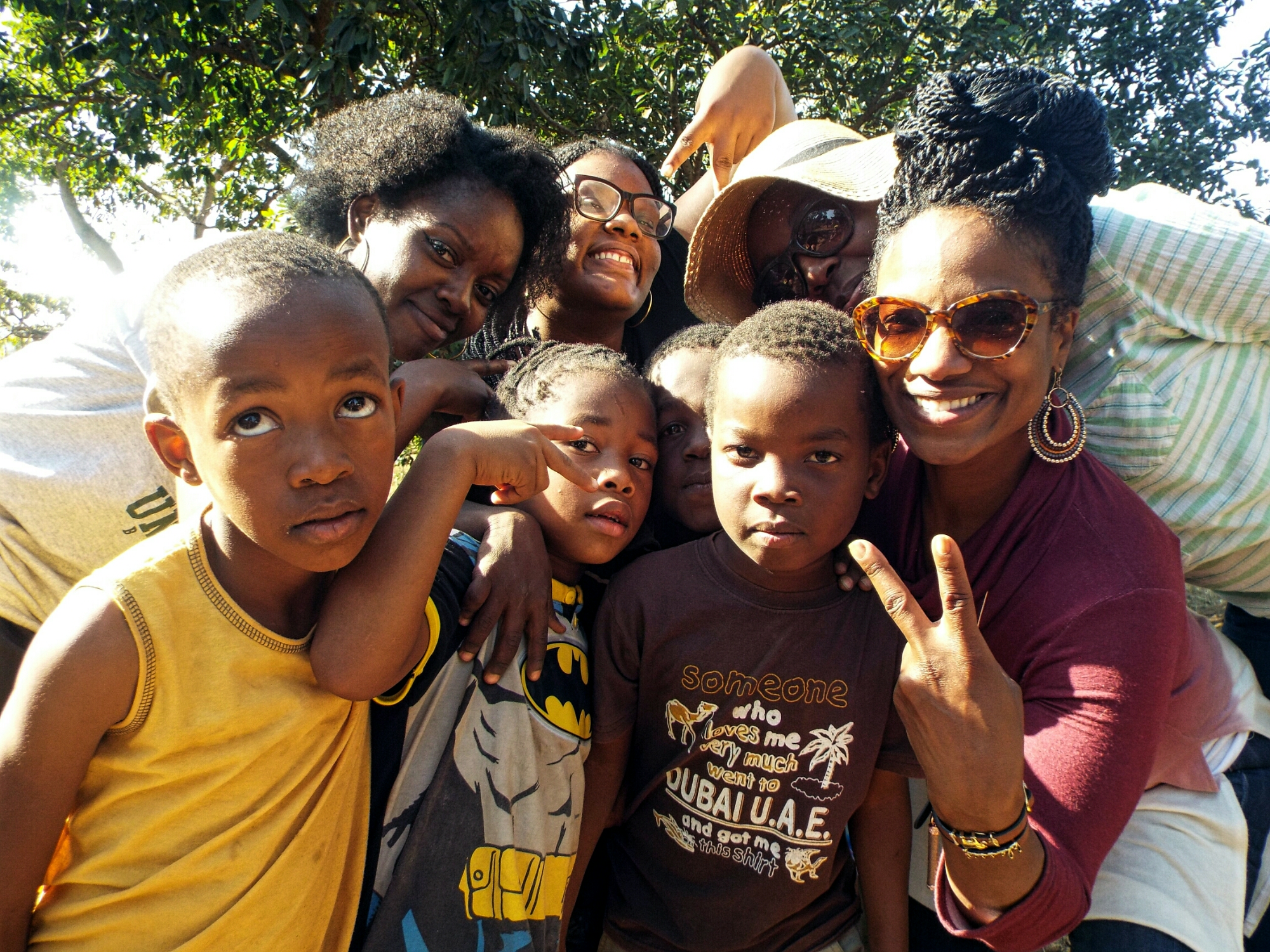
Three out of my four young bobhuti in my training host family. They wanted a picture. Wish granted.

image

Half of our language class, with our thishela. It’s always the right time for a selfie.

image

That’s me cutting the chicken’s neck while a thishela holds the chicken’s body. It’s a real farm to table experience. Photo credit – Timmya D.

image

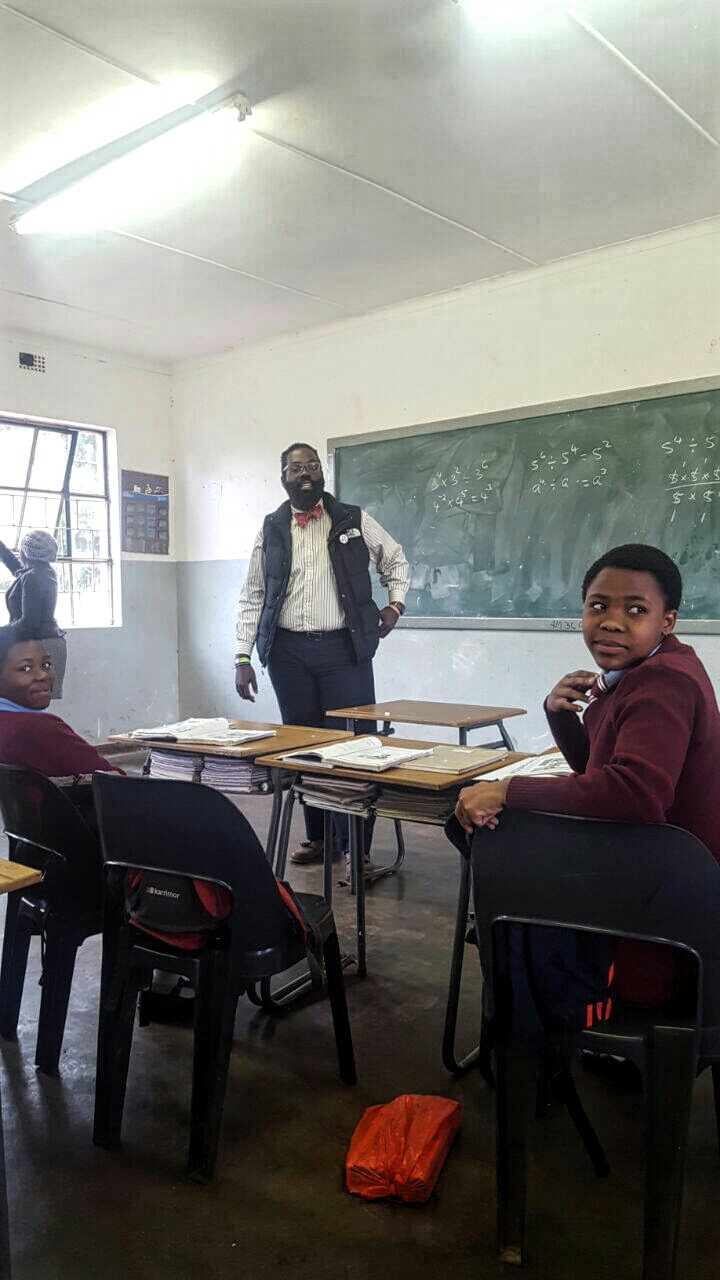
During a school visit, we were waiting on the teacher to show up. I entertained questions about life in America. Photo credit – Timmya D.

image

Meet Deborah, right, and Lakia. These young ladies are in my cohort (G14). They graciously agreed to be subjects as I work on my photog skills.

image

As a part of our training, we visited the sangoma, or traditional healer. He calls on the ancestors to heal folks of various ailments.

image

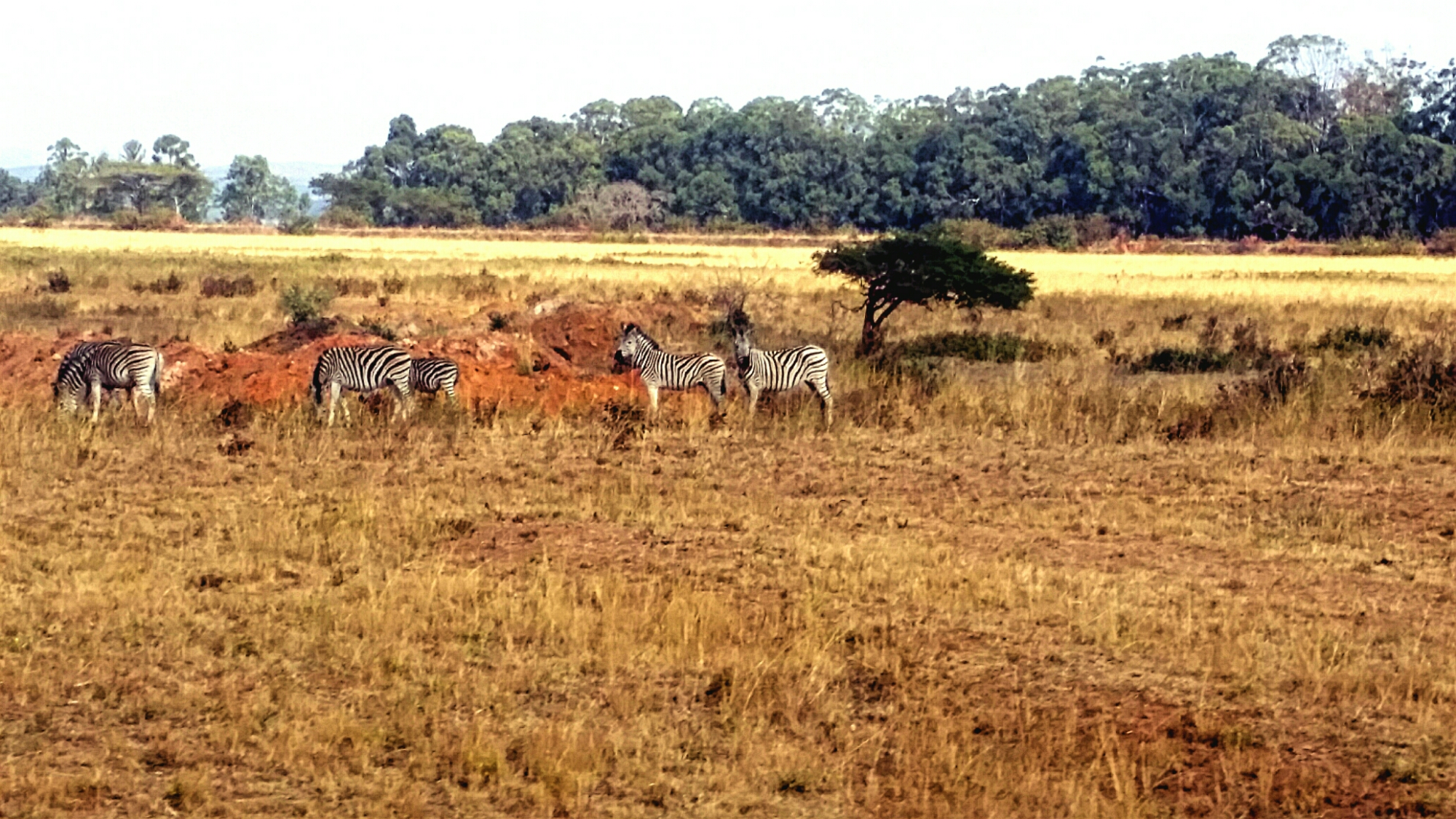
We were privileged to journey to Milwane Game Reserve. A walk through the game park revealed stupendous sights.

image

During our visit to the Matenga Cultural Village, Darah was invited up to join the dance. The cultural village educates people on Swazi culture and traditions.

image

If you know me, you know I love bicycles. These bobhuti allowed me to ride their bike for a bit. No tires. No chain. No cog. No seat. No problem. Photo credit – Timmya D.

image

Each one, teach one. Meaghan and Darah talk to some local children about gardening after our permagardening session.

image

This is Letty. Her shirt caught my attention. I find out that a local guy makes them. I’m excited to buy local and support small business.

image

At the end of a long day of a practicum, this permagarden is the result. Team work makes the dream work.

image

After playing catch, they stopped for a picture. Lots of love captured here.

image

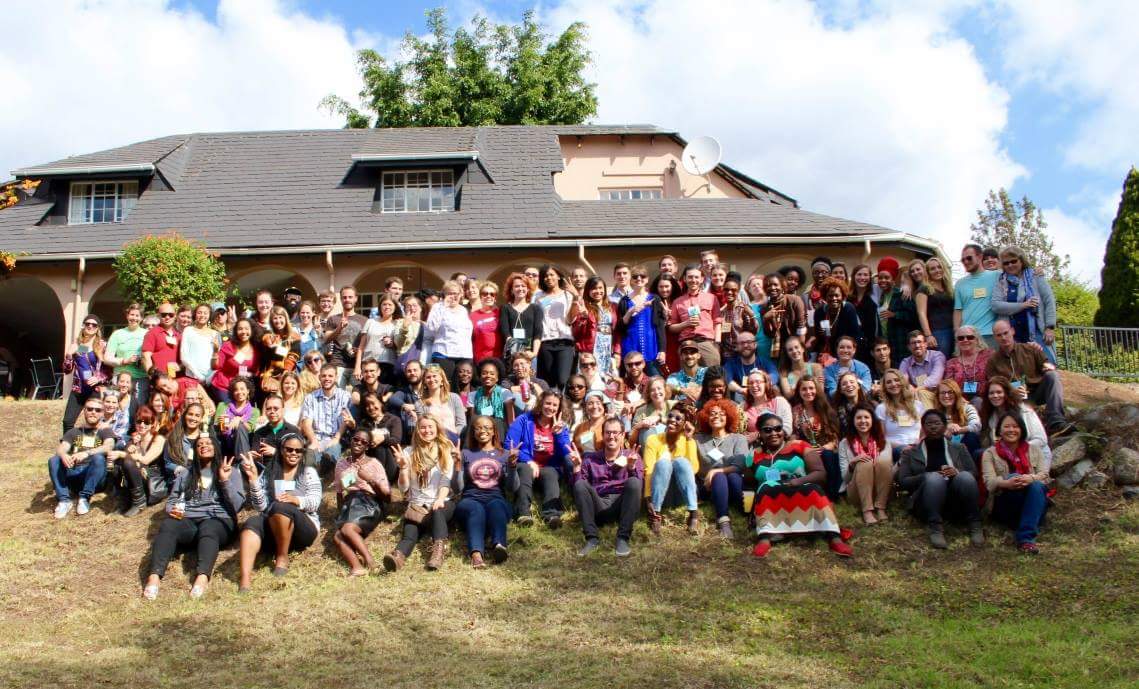
I’m not sure who took this photo, but here are almost all of the currently serving volunteers (and trainees) at the Fourth of July celebration hosted by our country director. Peace Corps Swaziland!

Be kind to yourself.
Onward.