Monday in a Picture – Amazingness in Action

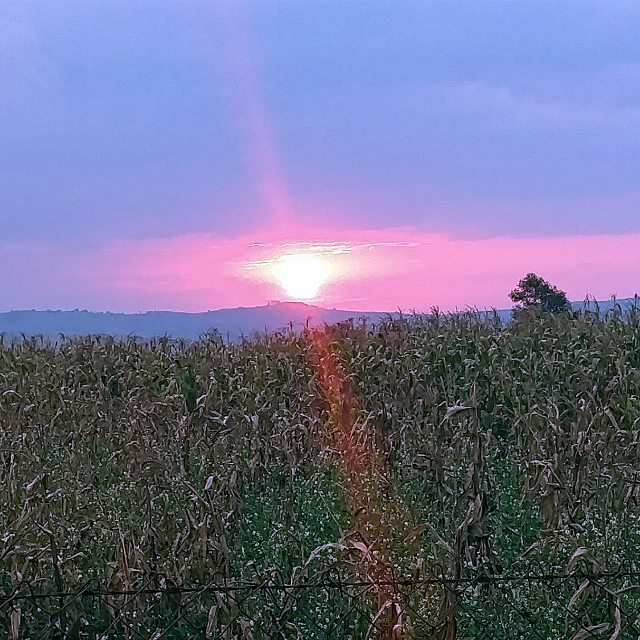
Sometimes, amazing things happen. This past weekend saw Swaziland host one of its most famous events, Bush Fire. Bush Fire is an annual music festival that encourages attendees to bring their fire. The suggested interpretation of “bring your fire” is a call to action and to make a difference in your area(s) of passion. The festival benefits women in rural communities and orphaned youth.  But, that isn’t the amazing part. 

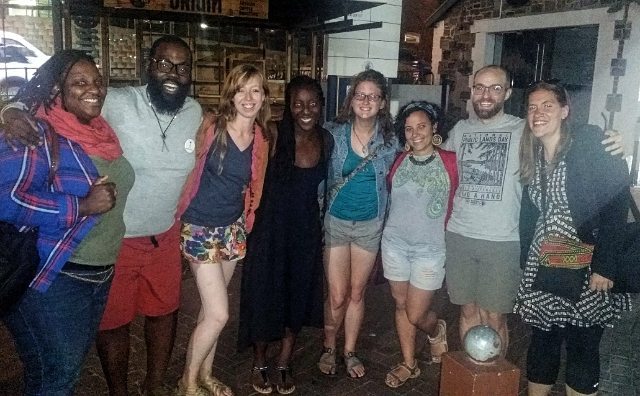
A month ago, I met a wonderful young lady from Sweden at AfrikaBurn. We had good times and great conversations. She contacted me before the Bush Fire festival to let me know that she would be here for the festivities. We talked about meeting up during her time in Swaziland. Anyone who knows me knows me knows that I’m always game to talk to burners, and about Burning Man and related events. 

On Saturday morning, the young lady from Sweden messaged me to say that she wouldn’t be able to make it to the festival and didn’t want her ticket to go to waste. She asked if I knew of any Swazis who wanted to attend the festival, but didn’t have the means to go. I messaged a PCV who lives close to the festival grounds to ask if she had a host sibling who might want to attend. The PCV responded that she had a host sisi (pronounced see-see), or sister, who would love to come. She really wanted to see the Swaziland sensation, Sands, who would be performing. The plan was set. A teenage girl from rural Swaziland would be able to experience her country in a new way. Tickets to the festival are cost prohibitive to many Swazis. 

On Sunday morning, I was able to check in with the PCV and meet her host sisi, who was all smiles. She was extremely grateful for the experience.

From Swaziland to Sweden, thank you. Thank you for bringing your fire even when you can’t come. 

Be kind to yourself. 
Onward. 
Ever wonder what is Kirby doing? Follow the blog!

Monday in a Picture – Another Day, Another Training 

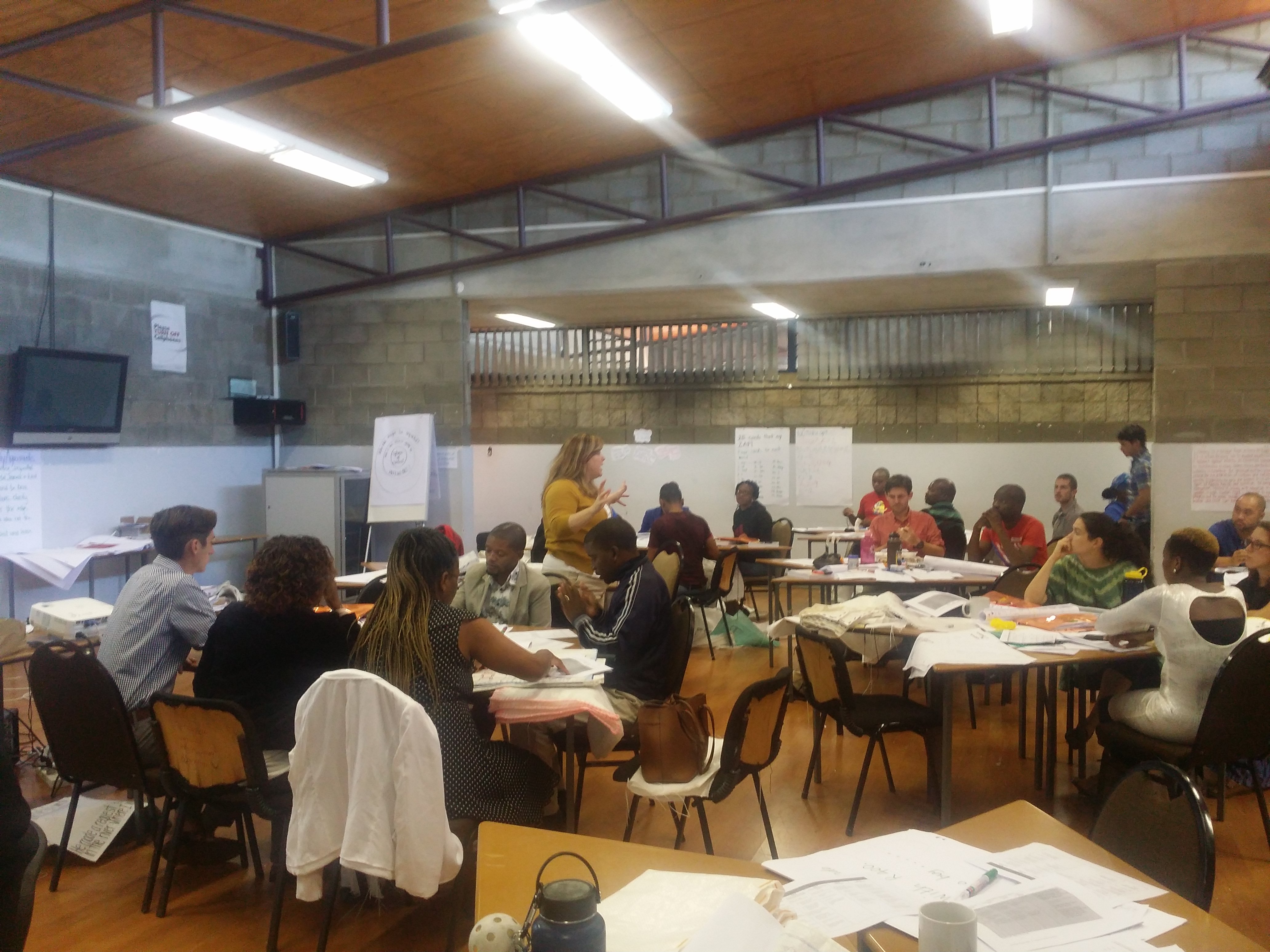
If Peace Corps believes in anything, it’s capacity building through training. Many months of a PCV’s service will be spent attending trainings, planning trainings, and/or leading trainings. There’s Pre-Service Training (PST) and In Service Training (IST). There’s Mid Service Training (MST) and Project Design and Management training (PDM). There are also other trainings sprinkled throughout. 

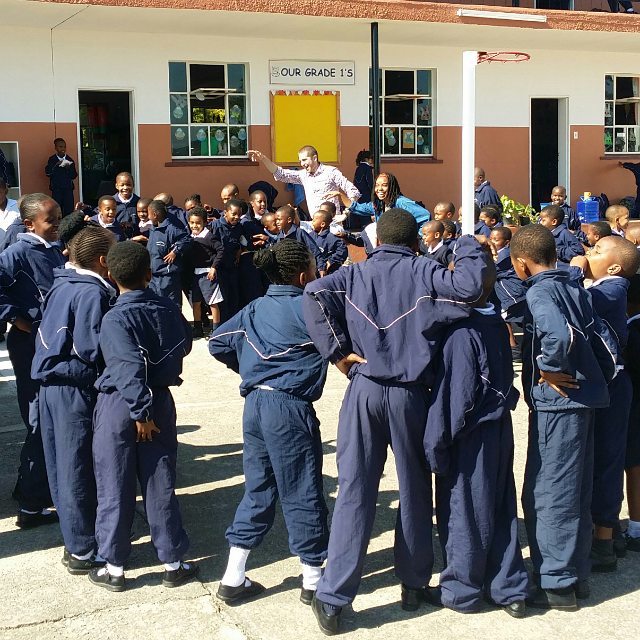
My cohort (G14) just finished our MST. Over two weeks, there were seven distinct trainings for PCVs and Swazi counterparts to attend. The trainings covered topics like water and sanitation, rural libraries, and financial literacy. The above picture was taken during a training on “Teach Like a Champion” techniques. 

Be kind to yourself. 
Onward. 
Ever wonder what is Kirby doing? Follow the blog!

Monday in a Picture – Condoms in the kingdom

Swaziland is home to highest HIV prevalence rates in the world. Approximately 26% of 15-49 year olds in Swaziland are living with HIV. This high prevalence was a major factor in the king asking Peace Corps to return to Swaziland in 2003.

While various factors contribute to the high prevalence of HIV, access to condoms has been made easier (and cheaper) to prevent the spread of the virus. Free condoms are available at health clinics and hospitals. Through the “Get It? Got It.” campaign, free condoms are available at merchant shops, restaurants, border posts, and other places. Everyone is free to take however many condoms s/he needs. 

This campaign has presented another issue. Some people don’t trust the free condoms. Some people believe that free condoms (as opposed to condoms paid for by the end user) are not effective at preventing unplanned pregnancy and the transmission of sexually transmitted infections (STIs). Some people have expressed concern that the free condoms are actually coated with and promote the spread of STIs. These beliefs about the free condoms have bore new campaigns aimed at dispelling those beliefs. The result is a number of billboards, like the one pictured, that remind people that STIs and unplanned pregnancy don’t know nor care if the condom was purchased by the end user or not. 

Be kind to yourself. 
Onward. 

Ever wonder what is Kirby doing? Follow the blog!

Monday in a Picture – School Lunch

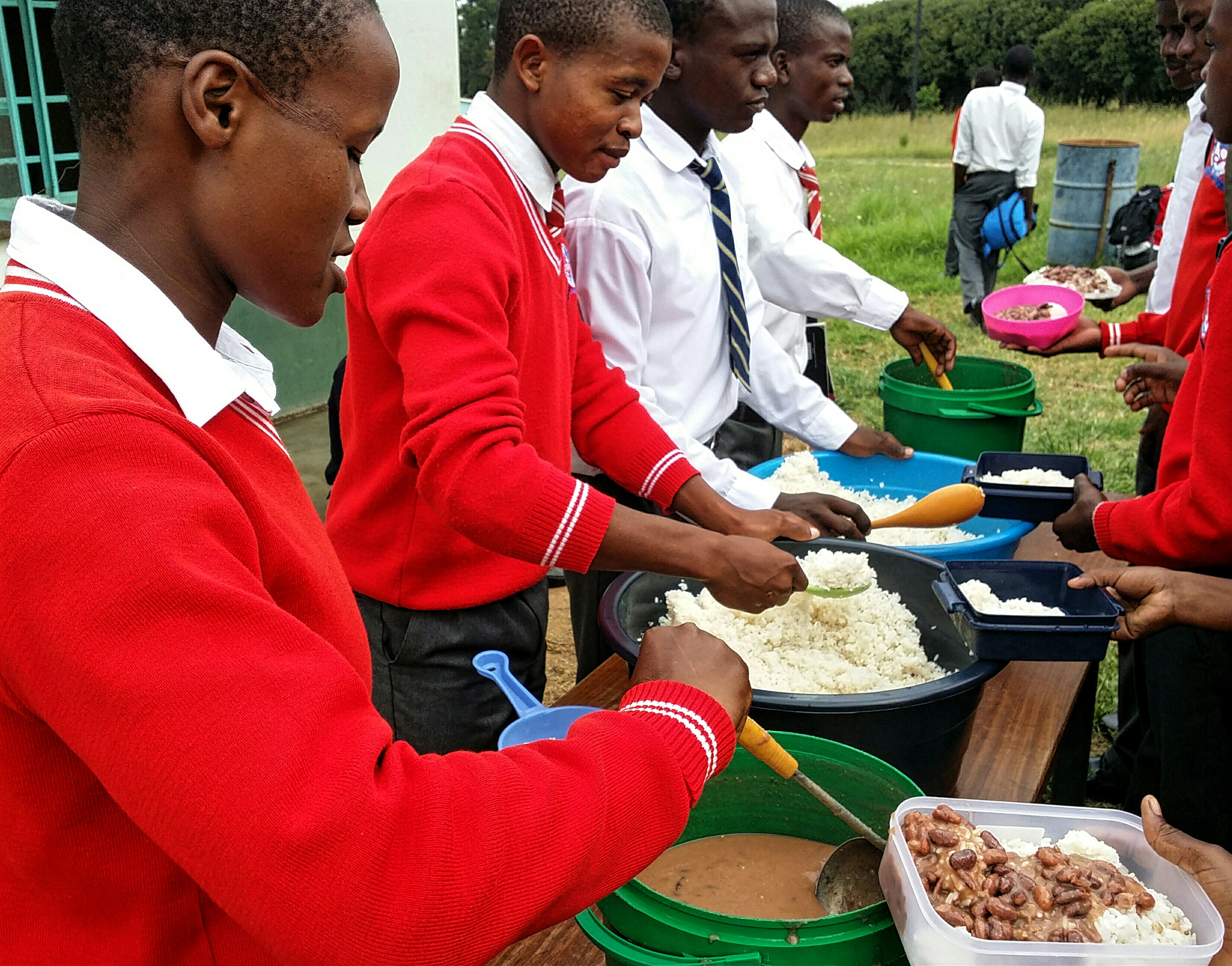
The schools in Swaziland serve lunch every school day. The daily menu is minimally varied. Some days, the students are treated to soupy beans with rice. On other days, the afternoon delight is non-soupy beans with rice. 

School lunch costs are included in the annual school fees assessed to secondary school students. All primary school students and some secondary school students are fully funded by government. 

At lunch time, students line up outside of the kitchen with her/his dish and eating utensil. Four or five older students are responsible for serving their classmates. They set up a table with at least two basins filled with rice and at least two basins or buckets filled with beans. After being served, students sit around the school grounds while enjoying lunch. Students can supplement their lunch with snacks from the bomake market. 

Be kind to yourself. 
Onward. 

Ever wonder what is Kirby doing? Follow the blog!

Monday in a Picture – ​Grow Your Own Food: The Harvest 

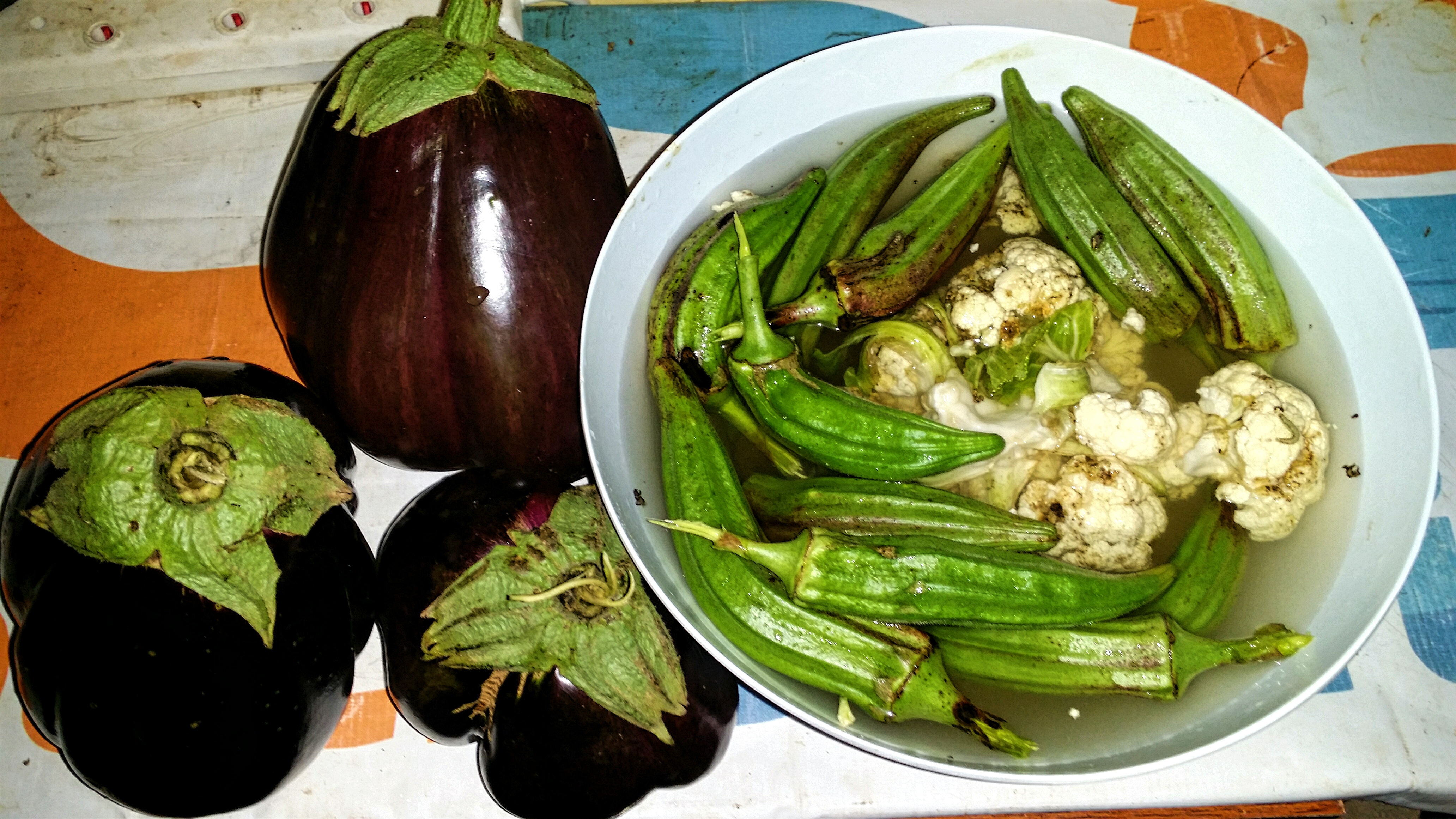
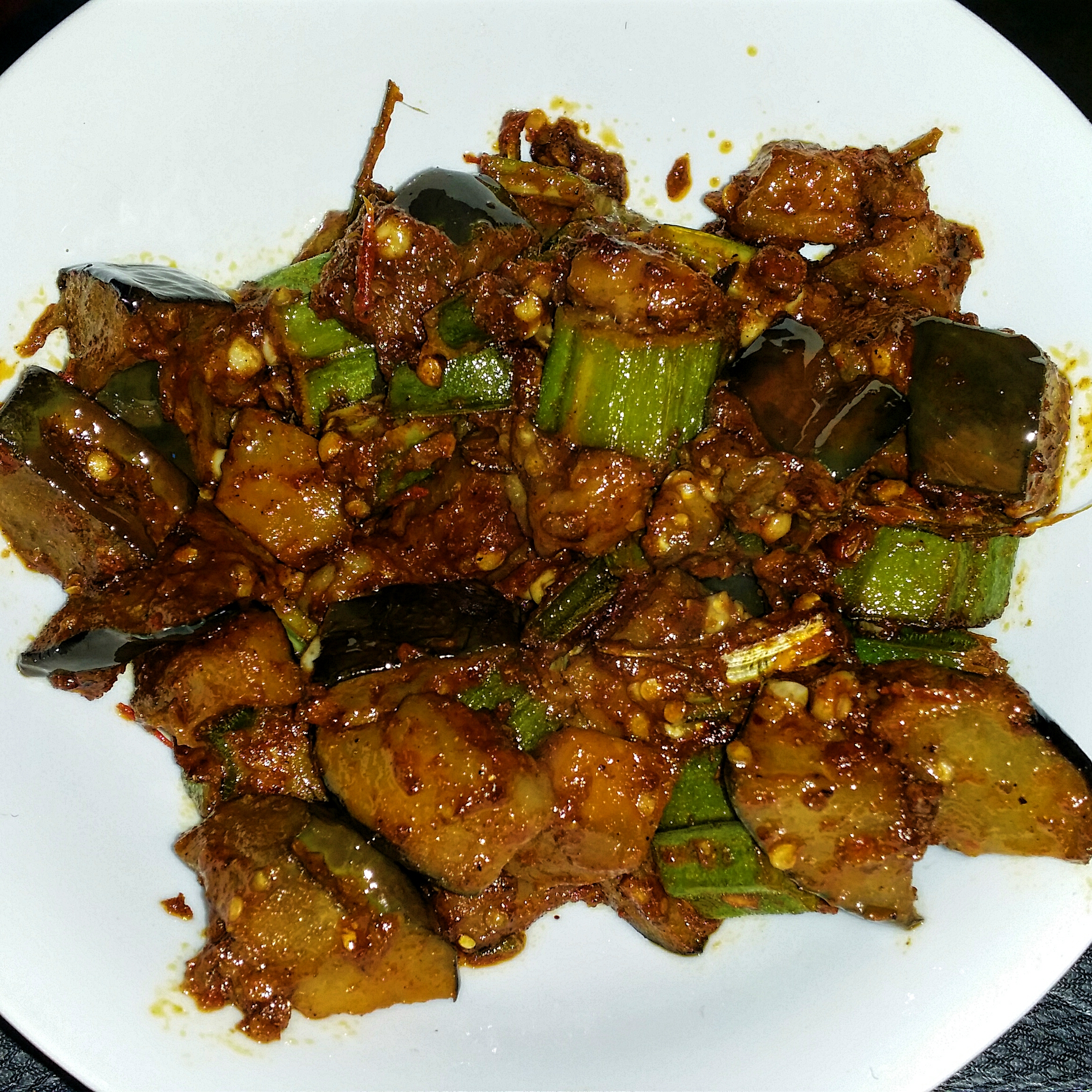
Last week, the farm-to-table experience took on new meaning. I was watering my garden when I noticed that some of the crops were ready to harvest. Some crops, namely the cauliflower, had been sacrificed to garden pests. However, there were eggplants and okra that were ripe and ready. I should mention that I had completely forgotten that I even planted eggplant. I’m thankful that the eggplant didn’t forget it had been planted (like my tomatoes did). 

I harvested three beautiful eggplants and some okra. Now, I was faced with a new challenge. What do I do with this produce? I had never cooked fresh okra. I had never cooked (or eaten) eggplant, in any state. Thankfully, there were friends and Google to help me make culinary sense of the harvest. 

I decided to make an eggplant and okra stir-fry. It was delicious! It was hard to believe that I was eating a meal that had been grown by my own hands. In reality, it’s difficult for me to take full credit for the meal. While I planted the crops and watered them (when I remembered), the Earth did most of the work. The garden was much kinder to me than I was to it. For that, I’m thankful. 

Be kind to yourself. 
Onward. 

Ever wonder what is Kirby doing? Follow the blog!

Monday in a Picture – Inspiration from Mother and others

​Everyday before I leave my house, this is what I see. It’s important to stay motivated and inspired while serving. People have sent postcards, greeting cards, and letters from all over the world during my time in Swaziland. I’m extremely grateful to all of those who have taken the time to write kind words and send them to me. 

To make my house feel more homey, I added pictures of those responsible for my being to the inspiration wall. They include my great grandfather, his daughter (my grandmother), and her daughter (my mother). It was on this day seven years ago that my mother passed away. She’s actually (partially) responsible for my serving in the Peace Corps. She pushed us to serve others with compassion. She instilled a sense of exploration. She made sure that we respected and embraced those who might be different from us.

Having these visual reminders has been great for keeping me motivated in the rural community. It makes my service feel a little less lonely. 

Be kind to yourself. 
Onward. 

Ever wonder what is Kirby doing? Follow the blog!

Monday in a Picture – Sports Day

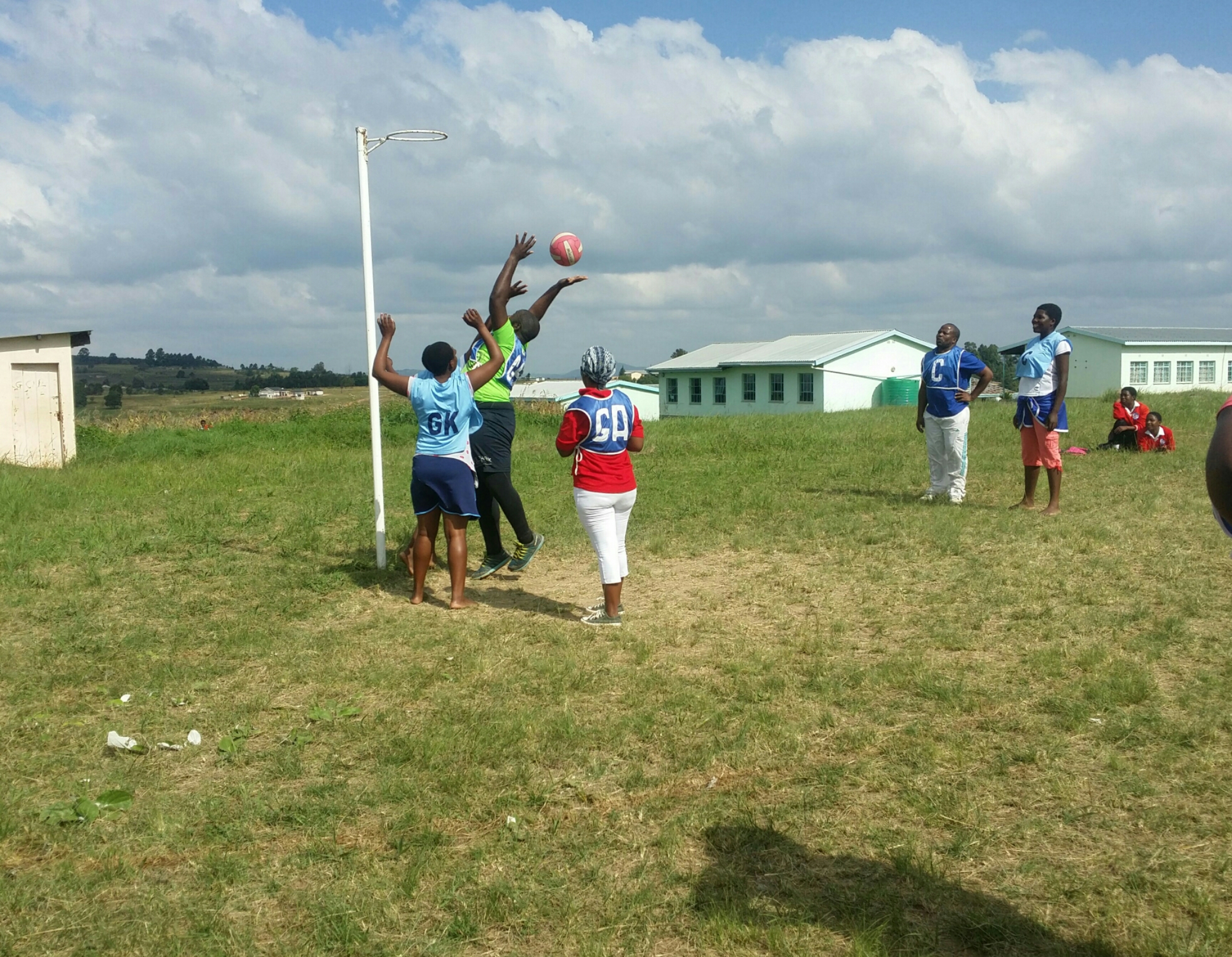
The school year in Swaziland is divided into three terms. During the first term (which we’re currently in), high school students participate in sports. There is special time set aside for athletics. Some schools compete against other schools. At my school, the students compete against other grade levels. The students compete in soccer, volleyball, and netball. 

Recently, our school hosted a series of sports days. The teaching schedules were pushed aside in favor sporting event schedules. When students and fellow teachers asked if I would be playing, I told them that I was unsure. On the actual day, there was tremendous encouragement for me to play netball. The teachers’ team needed players. I informed them that I didn’t know how to play. In true Swazi fashion, several teachers responded that it wasn’t a problem and that I would learn. 

I was told that netball is very similar to basketball. That’s true, as there is a ball and a basket. Imagine ultimate frisbee played on a basketball court. You have to put the ball in the basket (no backboard included) instead of putting it in the endzone. There are distinct positions on a netball team. 

In our first match, I played the position of Wing Defender. This position plays opposite of the Wing Attacker. I was responsible for stopping the advancement of the ball. I had to learn that netball is not supposed to be a contact sport. Old habits die hard. In our second match, I played the position of Goal Scorer. This position plays opposite of the Goal Keeper. As a Goal Scorer, I was responsible for scoring the goals (i.e, putting the ball in the basket). I learned that I’m not really good at this position. We lost both games. 

Be kind to yourself.
Onward. 

P.S. – Last week, Peace Corps Stories featured one of my blog posts! Tell your friends.  

Ever wonder what is Kirby doing? Follow the blog!